

Old age can be more than a death sentence
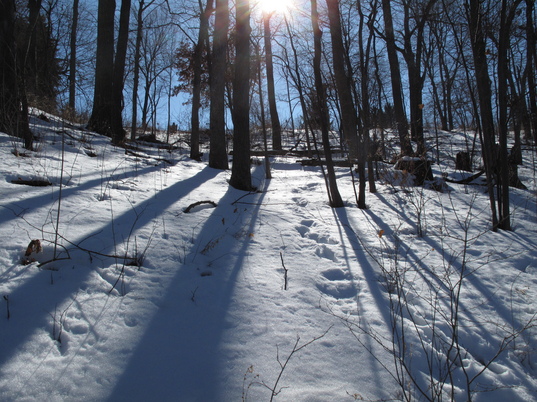
“Old age” can cast a long shadow over our life span, a shadow whose depth and length is diminishing due to advancements in our understanding of health, longevity and end-of-life care.
Dennis Sparks/Contributor
“I thought aging was just a horrible fact of life. I'm growing older, I'm going to fall apart — soon by the looks of it — and die,” a commentator on a recent NPR “Market Place Money” segment said. Upon second thought, he added, “But now, apparently, we have options.”
When I was in high school in the 1960s, my parents and other adults told me to enjoy those years because they would be the best of my life. (That was not good news because those were not the best of years.) Their experiences in the early and middle decades of the last century had taught them that the quality of life gradually declined across the decades until the infirmities of “old age” inevitably occurred in one’s 60s or even before.
Fortunately, advances in medical care and an increased understanding of the effects of lifestyle on the quality of life has changed our understanding of what is possible during the “final third of life” — the years from 60 to 90 and beyond that many of us are likely to live. While none of us know for sure what is in store for us, I think it is reasonable to say that we all want the highest possible quality of life our remaining years — however many they may be — and to find purpose, meaning, and dignity in all of our days.
A changing view of “old age”
My views on “old age” began to change in my 30s when I heard psychologist Carl Rogers, then in his late 70s, speak on the subject of “growing older, or older and growing.” I’ve long admired people who’ve enjoyed remaining active into their 70s and beyond by staying at the leading edge of their professions or by serving their communities as volunteers or their extended families as caregivers. As a result, “retire” has never been a word in my lexicon. And, fortunately, today “we have options,” as the “Market Place Money” reporter concluded, that were not available to previous generations.
Taking responsibility for our well being
In recent years I’ve found two sources of inspiration for the remaining decades (I hope) of my life: Younger Next Year: Live Strong, Fit, and Sexy — Until You’re 80 and Beyond by Chris Crowley and Henry Lodge and the Blue Zone studies on human longevity.
In Younger Next Year Lodge, who is a physician, writes, “American have achieved such staggering longevity that the real problem is outliving the quality of life, not running out of quantity. . . . For all intents and purposes, one of the great risks of our age is living far longer than we can live well. . . . [W]e start to age by the end of our twenties, so once you turn thirty, the quality of your life is up to you.” Half of the illnesses and injuries over age 50, Crowley and Lodge point out, can be eliminated through life-style changes that involve nutrition, exercise, and “people and causes you care about.”
In a TED Talk Dan Buettner summarizes the findings of the worldwide Blue Zones studies than link diet and life style factors to health and longevity: a plant-based diet, moderate eating, exercise (particularly walks in nature) and “the reason for which you wake up in the morning.” These findings and others require that we take responsibility for our physical and emotional well-being rather than delegate it to the medical profession, although doctors and other health care providers can serve as partners in our quest for the highest possible quality of life for as long as possible.
I’ve lived long enough to know that bad things happen to good people and that the trajectories of our lives can be changed forever in just an instant. I also know that some of us have no choice but to live with long-term illnesses and chronic pain. Nonetheless, I believe that most of us make many decisions each day that affect the quality of our lives. And my work as a hospice volunteer has taught me that even our final days and hours can be imbued with dignity and comfort.
I’ll give the final word on health and longevity to Henry Lodge of Younger Next Year: “You have a choice in how the rest of your life goes, and it can be great. . . . Exercise hard and you will grow younger. Care about other people and you grow happier. Build a life that you think means something and you will grow richer.”
Dennis Sparks’ “Things Observed” photos and essays encourage readers to see familiar things in new ways. You can read his blog on school leadership and contact him at dennis.sparks@comcast.net.