

Have a healthy heart this Valentine's Day: Eat chocolate, drink wine
February is Heart Health Awareness Month, a great opportunity to explore preventive measures for maintaining cardiovascular health. While hereditary risk factors are not modifiable in preventing heart disease, many lifestyle and nutritional choices have been shown to reduce risk and to strengthen the heart. Fortunately, many of these options don’t require self-denial, and in fact some can be rather indulgent and may fit in well with your plans this Valentine’s Day: dark chocolate, red wine, and loving relationships.
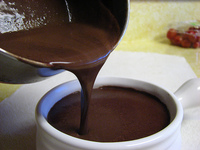
Chocolate has heart-protective qualities due to the antioxidant, anti-inflammatory, and anti-atherogenic compounds called polyphenols in cocoa. Polyphenols in dark chocolate have been shown to reduce LDL cholesterol, the “bad” form that causes the cholesterol deposits in blood vessels and leads to atherosclerosis, and increase the “good” HDL cholesterol. Chocolate was also found in one small study to inhibit platelet activity, reducing blood clotting. It also appears to help lower high blood pressure by triggering the release of nitrous oxide in the blood, which relaxes blood vessels.
The traditional use of cocoa originates in Mayan and Aztec culture in the form of a blended drink of fermented and crushed cocoa beans called xocoatl, which lacked the saturated fat and refined sugars of modern chocolate products that may do more harm than good. The amount of cocoa used in clinical trials is roughly 100 g, which is a fairly daily dose even for chocoholics. The downside of obtaining this amount of cocoa daily is of course the increased caloric intake that comes from consuming chocolate bars containing sugar and cocoa butter, between 200 and 400 extra calories daily. This much chocolate would also contain more than a third of the daily recommended limit for saturated fat. The “darkness” of the chocolate or cacao content doesn’t necessarily reflect the polyphenol content, although dark chocolate may have less added sugar and saturated fat than milk chocolate.
Antioxidant polyphenols are found in many foods besides chocolate, of course, which brings me to our next indulgence, red wine. The benefits of red wine have been known for quite some time and have been written about extensively in both medical literature and books on diet and health. An 8 oz glass of red wine contains more than 600 mg of resveratrol, a potent antioxidant that supports blood vessel health. The alcohol content of red wine is an unnecessary element of the beverage for conferring the health benefit, and many people choose to obtain the beneficial constituent resveratrol in supplement form rather than imbibe daily. Alcohol can have an unfavorable effect on blood sugar, and again there are the extra calories. Like chocolate, the benefit of red wine is probably best as an occasional indulgence. Fortunately, many other foods that we can consume every day contain polyphenols and other beneficial nutrients, such as tea and fresh, brightly colored vegetables and fruits.
Finally, an essential way to care for your heart is by managing stress and maintaining healthy relationships. Many studies document the impact of stress on cardiovascular risk factors like high blood pressure and cholesterol. Dr. Dean Ornish, a physician specializing in the reduction of coronary heart disease risk through lifestyle modification, emphasizes the need for love and intimacy in our lives. In his book Love and Survival, he writes: “I am not aware of any other factor in medicine - not diet, not smoking, not exercise, not stress, not genetics, not drugs, not surgery - that has a greater impact on our quality of life, incidence of illness, and premature death from all causes.”
Wishing you a heart-healthy Valentine’s Day, Diana Christoff Quinn, ND
Comments
Roger Heinz
Mon, Feb 15, 2010 : 11:22 a.m.
What this article says is very tru except that an 8 Oz glass of red wine only has 1 mg of resveratrol not 600mg...To get the beneficial amount you need resveratrol supplements which then leads to increased energy, weightloss, better memory and cardio vascular protection. You need at least 500mg/day of natural resveratrol biotivia transmax which is suggested by doctors and validated by Consumer Labs for safety and purity.