

The 92 things we composted in 2010: weeds, hair clippings, sawdust, eggshells and more
Janice Leach | Contributor
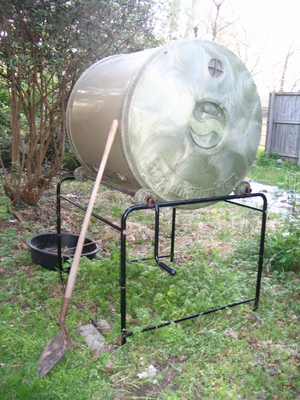
When I was doing web research on composting resources a couple of years ago, I came across this great list: 163 Things You Can Compost. Marion Owen’s list includes some things have I haven’t composted (so far), and it also inspired me to make an exhaustive list of the things we have composted in our home composter. Here’s our updated list of things we compost in 2010:
Freezer-burned vegetables, freezer-burned fruit, wood chips, hay, popcorn (unpopped, “Old Maids” too), freezer-burned fish, old spices, pine needles, leaves, matches (paper or wood), hops, old, dried up and faded herbs, spent grains from brewing beer, spent yeast from brewing beer, grass clippings, potato peelings, weeds, hair clippings from home barbering, stale bread, coffee grounds, wood ashes, sawdust, tea bags and grounds, egg shells, grapefruit rinds, pea vines, houseplant trimmings, old pasta, grape wastes, garden soil, powdered/ground phosphate rock, corncobs (take a long time to decompose),blood meal,beet wastes, tree bark, flower petals, pumpkin seeds, expired flower arrangements, bone meal, citrus wastes, stale potato chips, rhubarb stems, wheat bran, nut shells, clover, straw, cover crops, fish scraps, tea bags (black and herbal), apple cores, electric razor trimmings, kitchen wastes, shrimp shells, crab shells, lobster shells, pie crust, onion skins, watermelon rinds, date pits, olive pits, peanut shells, burned oatmeal, bread crusts, cooked rice, tofu, banana peels, wooden toothpicks, stale breakfast cereal, pickles, pencil shavings, fruit salad, tossed salad, soggy Cheerios, burned toast, old or outdated seeds, liquid from canned vegetables, liquid from canned fruit, old beer, snow, fish bones, spoiled canned fruits and vegetables, produce trimmings from grocery store.
and here are some other items we compost that are not on that list:
• SunChips bags
• old ruined straw hat
• ash from hardwood charcoal (NOT from charcoal briquets!)
• leftover oatmeal
• sad old rice
• the lost items from the bottom of the fruit and vegetable drawers
• flour that’s gotten too old
• jack o’lanterns (and other pumpkin shells)
• spent sunflower heads (after Jim has saved the seeds for next year)
• avocado peel (we’ve had less luck with the seeds- too hard)
Marion Owen’s list also included several categories of things we don’t compost, the most prominent being paper products including napkins, Post-it notes, and theater tickets. We have always lived in places where curbside recycling collects paper; we’ve put our paper there, rather than composting it ourselves. The exception to that is newspapers, which we’ve used successfully several times to take down weed patches. To do that, we spread newspaper layers over the area, like behind a garage say, and then put a layer of yard waste like leaves and trimmings to hold the newspapers down. Over the course of a season or a winter, the weeds underneath are thoroughly smothered.
We have no pets, so we don’t compost pet hair or feathers. We don’t have a supply of manure either so again we don’t put that in our compost.
Marion Owen’s list also includes leather items, such as old gardening gloves and worn-out wallets. I haven’t tried composting leather yet, but there is an old worn-out leather wallet on my list of next summer’s science experiments.
What goes in your compost bin?
Janice and Jim Leach garden a backyard plot in downtown Ann Arbor and tend the website 20 Minute Garden.
Comments
Jim and Janice Leach
Sat, Nov 6, 2010 : 1:40 p.m.
@ Pam Stout: I've always been happy with how easily coffee filters and tea bags decompose. If possible, I buy unbleached ones because those have got to be better for the compost and the environment. @ Susan: We don't put diseased plants (or even ones we are suspicious about) into our home compost either. The possibility of putting problems back into the garden is definitely not worth the risk. @ Rork Kuick: Thanks for sharing details of your composting process. We put hardwood charcoal ash into our compost without worries. Charcoal briquettes, on the other hand, are not a good compost addition. Briquettes contain wood scraps and sawdust along with various binders-- too much unknown chemical possibilities to be good for the garden. We have covered compost bins so they do not tend to dry out much. I rarely add water. If I need to, however, I'll rinse out the kitchen compost bucket with water from our rain barrels and add that to the compost. @ Sara: We add very little bread or pasta to our compost bins, but we haven't had problems with attracting animals. (Our bins are covered.) Usually bread or pasta leftovers get used up in our house in casseroles or soups. If you decide to experiment with composting tissue, let us know how it goes!
Sarah Rigg
Mon, Nov 1, 2010 : 2:37 p.m.
I don't do pasta or bread products in the compost as I've read they can attract nuisance animals. I do peels and stems and cores from the kitchen and yard waste, mostly, though I'm intrigued by the thought of composting used facial tissue. I just can't make myself use cloth handkerchiefs, but I hate throwing away so much paper. I use a lot of tissue as an allergy sufferer...
Rork Kuick
Mon, Nov 1, 2010 : 1:30 p.m.
I compost lots of things, but don't get spastic about it, since the leaves, and the remains from my gardens, far outweigh the little things. I get about 10 cubic yards/year. I probably spend 40 hours/year working on it though, much of that heavy pitch-fork and shovel work chopping and turning it. Doing it that big may not be for everyone. It is almost the entire basis of my agriculture though. I start by piling this years leaves, which won't actually be used until spring 2012, so it also requires huge space, and most of the gets-hot composting only happens in July-Sep. You could ease the work by having the leaves shredded up better, but it costs noise and fossil fuel. I'm doing charcoal experiments. It doesn't really compost, but if I throw it on the pile, it finds its way to my dirt eventually. I have about one giant branch/debris fire per year, which I fiddle with so as to maximize the yield. I learned from a Japanese guy dealing with clay soils. See about "terra pretta" if you haven't heard. The most key composting ingredient may be water, and how much to use and when. I have a well and collect rain water. Would city water be less effective? May the spirits of rot be with you.
Susan
Sun, Oct 31, 2010 : 4:35 p.m.
I compost all compostable stuff, except meat. I put most of the house compost in a plastic bin mostly so the dogs won't eat it. I have found that I need to empty this bin more than once a year however, as it must not get enough air and "brown" stuff to compost well and can become very stinky by summer. Other compost goes in piles. I don't compost any of the leaves and trimmings from any plants (or the apple trees) that show evidence of disease or insect problems, for example, my tomatoes had Septoria leaf spot. I know my more relaxed composting methods will not get the pile hot enough to kill the fungus.