

Legislation allowing local vehicle registration fees could raise millions for transportation projects
State. Sen Rebekah Warren on Thursday introduced legislation to give local communities a voice in improving Michigan's aging transportation network.
Senate Bill 910 — part of a bipartisan package of bills designed to implement some of the recommendations laid out by Gov. Rick Snyder in his infrastructure message last fall — would allow local voters to approve a countywide vehicle registration fee for use on infrastructure investment and public transportation enhancements in the county.
The new fee could not be more than $1.80 per $1,000 of a vehicle's list price, but that still has the potential to raise millions for transportation projects in Washtenaw County alone. For a single person with $25,000 car, that would amount to about $45 annually.
"Investing in public transportation and infrastructure is an absolute must for attracting business to our state," said Warren, D-Ann Arbor. "Our current transportation funding models are outdated and falling drastically short.
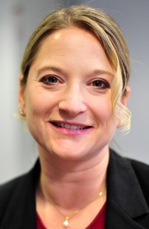
Rebekah Warren
Warren's legislation would give county commissions the ability to place language on their county ballots for voter approval of registration fee increases. Ballot language would be required to describe how the proceeds would be spent.
Warren is married to Conan Smith, who is chairman of the Washtenaw County Board of Commissioners and has been supportive of the governor's call for more investment in transportation, including roads, bridges and public transit. Smith also is interested in funding a countywide expansion of the Ann Arbor Transportation Authority and is involved in talks on a regional transportation authority for Southeast Michigan.
According to Warren's legislation, fees collected by the county can be used for any transportation purposes defined in Section 9 of Article IX of the Michigan Constitution, which currently dictates at least 90 percent of all transportation dollars must be directed to roads. Some transportation advocates argue that constitutional limitation has kept more dollars from going into public transit projects like bus and rail.
Asked whether some of the dollars — up to 10 percent by constitutional limitation — could go toward the AATA's countywide expansion, Warren said that's definitely possible.
"We also have pretty significant needs identified throughout the county for the roads and bridges that we already have," she said, adding if the state isn't going to prioritize transportation, it should at least give local communities tools to raise dollars.
Warren said she wouldn't be surprised if there were efforts to tweak the Constitution so that more than 10 percent of transportation dollars could go to transit.
"But that's a constitutional amendment and it takes a bigger vote than just a simple majority from us," she noted.
Warren said the legislation, and many of the proposals contained in Snyder's infrastructure message, concur with findings of a transportation funding task force from a few years ago.
"We have known for years that bold changes are needed to move Michigan's transportation system into the 21st century," Warren said. "I am excited that the broad, bipartisan support of this package of legislation might mean we finally take that step forward."
State Rep. Rick Olson, R-York Township, offered an overview on Wednesday of how the package of bills on transportation — including an increase in the gas tax and statewide vehicle registration fees — could raise nearly $1.4 billion a year in new funding for roads.
There were supposed to be 13 bills in that package, but Olson said on Thursday the number was growing and could be as large as 19. He said he should have bill numbers soon.
Ryan J. Stanton covers government and politics for AnnArbor.com. Reach him at ryanstanton@annarbor.com or 734-623-2529. You also can follow him on Twitter or subscribe to AnnArbor.com's email newsletters.
Comments
Ming Bucibei
Mon, Jan 30, 2012 : 4:22 p.m.
We are over-taxed enough already No new taxes No tax increases spend with in the current revenues Ming Bucibei
Joe
Sun, Jan 29, 2012 : 12:09 a.m.
I think it would be fair if only 50% of transportation funds could be used for automobiles. If the government invested as much in public transportation, bike lanes and pedestrian facilities as it does in automobiles, we would have safer, cheaper options for getting around. I don't like spending the income that I work for to pay for automobile facilities that I don't use, but for some reason no one thinks it's wrong for the government to waste so much money on highways and roads.
T
Sat, Jan 28, 2012 : 1:49 p.m.
I'd like to know what the state is doing with the streaming flow of money they get from the current gas tax. Why did the stadium bridge not get rebuilt or ann arbor saline rd repavement get scheduled until federal money came to the table. We already pay a gas tax which should be used on roads, not on bike paths or mass transit.
Wilford John Presler IV
Fri, Jan 27, 2012 : 5:30 p.m.
Cmon Folks ante up just a little more ...Rick Snyders corporate friends need another tax break.
Ron Granger
Fri, Jan 27, 2012 : 5:08 p.m.
"The new fee could not be more than $1.80 per $1,000 of a vehicle's list price" Rebekah Warren never met a tax she didn't like. Even a regressive tax like this one. So someone who gets by with a 20 year old car will pay as much of the new fee as someone who drives a 2013 model. In some cases of old vehicles, the yearly registration fee is more than 10% of the vehicle's actual value. Good thinkin' Rebekah! I predict a referendum to cap the spiraling registration fees at something low, like $30.
moveon2011
Fri, Jan 27, 2012 : 2:14 p.m.
THERE IS A BRIDGE IN DETROIT that hasnot been used for driving but great If you want to DROP -OFF ......NO cement .........MDOT ...SHOW US THE MONEY..
moveon2011
Fri, Jan 27, 2012 : 2:11 p.m.
GUESS WHAT SiSter YOU ARE OUT.......
OLDTIMER3
Fri, Jan 27, 2012 : 1:54 p.m.
@ Mike, You must not have shopped for cars lately, There aren't very many cars out there that sell for less than 20,000. And it sounds like it would go on original selling price so if you bought a used vehicle for a 1,000 you would still pay on the original cost.
Craig Lounsbury
Fri, Jan 27, 2012 : 12:32 p.m.
"would allow local voters to approve a countywide vehicle registration fee for use on infrastructure investment and public transportation enhancements in the county.' we also need a bus riding registration fee so if you don't have a car you still chip in. If you have a car and ride the bus "I" will waive the bus registration fee.
Alan Goldsmith
Fri, Jan 27, 2012 : 11:57 a.m.
"Rebekah Warren is the most left-wing member of the Michigan Senate. She is married to Board of Commissioners Chairman "Pay-up Conan" Smith, is the daughter-in-law of ultraliberal former state senator Alma Wheeler Smith, who herself is the daughter of former leftist Ann Arbor Mayor Al Wheeler." These are all badges of honor in my book. I voted for Warren AND Wheeler. Conan Smith is a political hack and is more about looking out for himself than anything else and his grandfather would be rolling over in his grave at some of the stuff he's pulled. But this is about rushing through a series of programs (in this case, more political cover to expand AATA an loot money from the Ann Arbor millage) than legit bipartisan projects to fix our Third World infrastructure. Seems like Warren is on board and is more into representing her husband's interests than the voters of Ann Arbor in this case. It's got nothing to do with liberal vs. conservative.
Alan Goldsmith
Fri, Jan 27, 2012 : 11:51 a.m.
So, is this the same Conan Smith who brags about not owning a car and still owes the County money he took for expenses but refuses to pay it back? Warren and Smith--two Snyder Democrats who seem to be quiet as church mice when it comes to the staffing cuts at the Grand Rapids Veterans Home, the looting of tax payers in Wayne County by Conan Smith's new best friend Bob Ficano and Rick Snyder claiming the domestic benefits ban was 'just about the money'. I'm all for increasing my taxes for road repairs and increasing public transportation. I'm NOT for political hacks like Conan Smith and Bob Ficano being within a thousand miles of running the show.
Carole
Fri, Jan 27, 2012 : 11:37 a.m.
Frankly, I am getting rather tired of government consistently asking to raise the price of this, that and everything else in the hopes of getting more funding from Joe Doe, the Public, so they can recklessly spend it. I say stop. Maybe a turnpike or two across the state might help with road repair.
Vivienne Armentrout
Fri, Jan 27, 2012 : 10:32 a.m.
You accurately state that Conan Smith is on the Board of Commissioners but then elsewhere refer to "county commissions". There is no such body in Michigan; they are all Boards of Commissioners. The individual holding the office is a County Commissioner. This is a historical artifact of the previous form of county government, the Board of Supervisors. At one time counties were governed by a board consisting of all township supervisors plus a single representative (also called a supervisor) from cities. Ann Arbor had a single supervisor who was not part of city government but who represented the city on the Board of Supervisors. Rural townships had a majority of representatives compared to urban areas. After the Supreme Court ruled in Reynolds vs. Sims (1964) that legislative representation had to be based on population (often called "one man, one vote"), the Board of Supervisors was reconfigured to a Board of Commissioners. County commissioners are elected from districts of approximately equal population, set every decade after census results trigger reapportionment. But there never was a county commission.
sc8
Fri, Jan 27, 2012 : 10:20 a.m.
So, because I own a vehicle valued at 25000, I should pay an additional (25 x 1.8) 45 dollars to register my vehicle to pay for a service I don't use or need? Take those ARRA funds, invest in some sidewalks, and make Washtenaw a walkable county so people WALK TO A JOB! I typically support Warren, but this is absurd. I wonder if this is on top of the hike that Snyder is trying to get done? If so, I'll end up paying over 100 more this year just to legally drive my vehicle.
J. A. Pieper
Sat, Jan 28, 2012 : 1:27 a.m.
sc8 We do need to find out if this proposal is in addition to what Snyder wants to do! It is hard enough to keep up with the costs to run our cars as it is, and if we faced higher registration fees, it is going to be much worse. I pay fees for three cars, and dread the payment as it is!
Ignatz
Fri, Jan 27, 2012 : 9:54 a.m.
I smell more bike lanes.
trespass
Fri, Jan 27, 2012 : 9:35 a.m.
This is another attempt to pay for the hugely expensive proposed transit system for Ann Arbor, including a downtown monorail train. Just say NO to the drugs she is selling.
Joe_Citizen
Fri, Jan 27, 2012 : 5:28 a.m.
Just like the new gas tax, it will give a little more to the gas mongers. Oh yeah, the roads, this is a semi truck problem, so let them pay the tax on it. Those truck destroy our roads, and yet we have to pay for them and give the trucking company's a tax break on gas. All the people are not working at fords, most make meager income to work for the slave drivers and the banks. Let them pay for them, geez they swindles 3/4 trillion from us, way can't they be made to pay us back all the money they borrowed and didn't do with it what was meant for therm to do. I'm really sick of the corporate controlled government trying harder and harder to make us into a third world country. They have nibbled at the side and edges and may have hit the tootsie roll center.
Mike
Fri, Jan 27, 2012 : 4:39 a.m.
Sounds like a good plan to help reduce our automobile sales. I'll buy used and cheap. I'm tired of higher taxes and people like Rep. Warren. For all of you that voted for her, put away the crying towels and get out your wallet...............
Roadman
Fri, Jan 27, 2012 : 3:52 a.m.
Rebekah Warren is the most left-wing member of the Michigan Senate. She is married to Board of Commissioners Chairman "Pay-up Conan" Smith, is the daughter-in-law of ultraliberal former state senator Alma Wheeler Smith, who herself is the daughter of former leftist Ann Arbor Mayor Al Wheeler. "Becky" has espoused Robin Hood socialistic tendencies which essentially makes taxpayers fund everyone else's expenses. So that such things as college tuition would no longer exist at public colleges as a practical matter. This is another one of her ideas that would serve to make government bigger. Becky can shout, scream and hop around on one foot to promote her leftist agenda, but no one in the Senate is buying what she has to say. She is currently a lone maverick with very little clout in a GOP-controlled chamber. Voters now wish they had elected Pam Byrnes over Becky in 2010 for her Senate seat. They ave had enough of this third-generation liberal. "A heritage cannot be transmitted - it must be conquered." - French author Andre Malraux.
thinker
Fri, Jan 27, 2012 : 3:51 a.m.
No! You have our taxes! That is enough! We will not get a say in how it is spent: Maybe another parking structure for U of M, more traffic calming. An increase in vehicle registration as planned by Lansing is enough of an increase!
braggslaw
Fri, Jan 27, 2012 : 3:49 a.m.
Go figure, rw wants to take more money from taxpayers.
B2Pilot
Fri, Jan 27, 2012 : 3:46 a.m.
According to Warren's legislation, fees collected by the county can be used for any transportation purposes- UNBELIVEABLE Warren is married to Conan Smith who not only is pushing the AATA expansion, as well as working on detroit suburbs transportation. Yet is the sam guy who sold his car in 08 and has trouble getting around (that still kills me) and he's in charge of transportation his wife is now proposing we pay more to give to transportation that could be used for anything including his policial jobs! these are the career politicians that need to go! out of touch and looking to line their own pockets
Mike
Fri, Jan 27, 2012 : 4:41 a.m.
We need more bike paths.............
ruminator
Fri, Jan 27, 2012 : 3:40 a.m.
Tax and spend. Same stuff, different day. Don't worry too much about the roads. By the time our bipartisan friends get done, we won't have any money left to drive anyway.
u812
Fri, Jan 27, 2012 : 2:25 a.m.
Let's Recall Rebekah Warren & or eliminate her position and save a buck or two.
Steve
Fri, Jan 27, 2012 : 2:24 a.m.
I am constantly amazed at what this representative cooks up. Honestly, I she actually sitting aroundvthinking of different ways to use our money, take more of our money and nanny us to death? Please. Representative government means you represent us. Not you impose your concept of big government upon us. Why not start thinking of ways you can cut costs, streamline government by making it work better by being smaller and getting your hands out of our pockets!
A2anon
Fri, Jan 27, 2012 : 2:15 a.m.
I'd be happy to contribute to this investment. It's needed.
A2anon
Sat, Jan 28, 2012 : 7:19 p.m.
It doesn't work like that. You know what? We all live here. We all use the roads. We all contribute. Stop whining.
Mitch
Fri, Jan 27, 2012 : 12:30 p.m.
Write the check they take Donations!
braggslaw
Fri, Jan 27, 2012 : 3:50 a.m.
Great go donate Leave me alone
jorget
Fri, Jan 27, 2012 : 3:02 a.m.
Rick, is that you?
jorget
Fri, Jan 27, 2012 : 2:14 a.m.
This is an unfair burden on poor persons. You do understand that don't you?
Another Michael
Fri, Jan 27, 2012 : 3:07 p.m.
Mike: If the "list price" is the original MSRP, then yes, poor people often own "expensive" cars, which can outlast their first and second owners' use for them. Last time I purchased a car, I spent four times what my brother paid for his. His annual registration fee for the state is twice what mine is.
Mike
Fri, Jan 27, 2012 : 4:43 a.m.
Why, do they own expensive cars?
justcurious
Fri, Jan 27, 2012 : 1:59 a.m.
NO!!! You have enough of our money!! Use what you have more wisely!! Stop taxing the people. Start serving them.