

Student Assembly to U-M: Get rid of bottled water
Should bottled water be sold on campus?
The University of Michigan Student Assembly doesn’t think so.
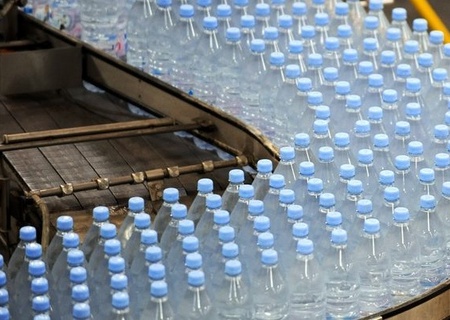
From NationalGeographic.com
This week, the assembly passed a resolution in support of banning the sale of bottled water by the university.
“It’s an environmental step in the right direction,” said Maggie Oliver, chair of MSA’s Environmental Issues Commission. “We’re a Great Lakes state, water is all around us, and it’s something we should care about.”
The resolution calls bottled water wasteful and environmentally damaging and demands that the university stop selling it completely. It states that just 20 percent of plastic water bottles are recycled.
MSA President Deandree Watson said the ban was the most comprehensive resolution passed by the MSA in recent memory.
“The University of Michigan has a really strong commitment to social justice and sustainability, and we want to make sure that as students we challenge the institution,” Watson said, calling the ban “a bold and controversial statement.”
The resolution also was brought before MSA in April but was one vote short of passing.
“It makes a strong statement, and having a university the size of U-M say, 'We are no longer going to sell bottled water because of the environmental impact,' … would be very influential,” Oliver said. “We need to take a stand.”
But the move away from bottled water may be more complicated than the MSA realizes, said Andy Berki, manager of campus sustainability.
During the 2010 fiscal year, the university sold about 600,000 bottles of water, according to an assessment conducted by the Graham Environmental Sustainability Institute.
“The ban has broad-reaching implications for the university,” Berki said. “We are moving in that direction, but… we just don’t have infrastructure to provide clean tap water for everybody on campus.”
To create the right infrastructure, the university needs to install attachments to many of its water fountains, so that water bottles can be easily refilled.
Without the attachment, refilling a water bottle “may be difficult to impossible because of the way the drinking fountains are” constructed, Berki said.
Throughout campus, the university already has installed several of the attachments —which, according to Berki, cost several thousand dollars each— but it would need to install many more before the ban was feasible.
“It could have fiscal implications, as well,” Berki said.
“Bottled water is a revenue stream,” he said. “There are a lot of events… where we want to make sure that we provide healthy alternatives to soda pop.”
Berki says the university needs to weigh the ban’s logistical feasibility and cost with its possible environmental benefits in a way that reaches “a balance between making good environmental choices and making the right choices for the university.”
Oliver said that although the ban would require the university to overcome some logistical hurdles, it is completely feasible.
“Whenever you want to make change, as an environmentalist, you just get used to people saying no and being uncomfortable with it,” she said. “When bottled water first came out, people were confused, thinking ‘Why would I buy a bottle of water when I could just get it for free?’…. We’re just trying to go back to that.”
Watson said he is hopeful that the university will eventually accommodate the resolution.
“I think there’s going to be mixed emotions about this,” he said. “We’ll see what they say.”
Kellie Woodhouse covers higher education for AnnArbor.com. Reach her at kelliewoodhouse@annarbor.com or 734-623-4602.
Comments
Jim
Fri, Sep 9, 2011 : 3:13 p.m.
The worst thing about bottled water, in my opinion, is that encourages laxity in the quality of our public water supply. Water supplies are under pressure anyway, and the costs of supporting them are not really reflected in the consumer pricing. I can see some bureaucrat thinking: "Everyone drinks bottled water anyway, so let's let the quality slide, it will save money!". As an aside, bottle water may be somewhat purer than tap, but can have more organisms in it, because it has been sitting around (perhaps many months) so long in the bottle.
Jaime
Fri, Sep 9, 2011 : 12:18 p.m.
It takes 3 quarts of water to make a 1 quart water bottle. How dumb is that? Use a refillable bottle and get a filter for your faucet. I bring a collapsible bottle to the U of M football games and fill it at one of the few drinking fountains. I am still very unhappy with the number of drinking fountains within the stadium. I bet there are less than a dozen. But then when you can get $4.00 for a bottle of room temperature water why would you want to provide it for free.
thecompound
Fri, Sep 9, 2011 : 12:44 p.m.
I thought you were not allowed to bring in collapsible bottles into the stadium (no containers of any kind and all that)?
Soothslayer
Fri, Sep 9, 2011 : 11:43 a.m.
The solution to the University safety, control & revenue replacement model is we should all be able to bring empty aluminum reusable approved (key word here) water containers. Upon entry the lids are off and a security agent take them to inspect andand shake them upside down & let them through if ok/empty. Then they put up either manned or automatic Arbor Springs (local source) purified cold water dispensers all over where they charge $4 to fill up. No revenue lost & small step for environment. Alternatively there are crummy, slow regular fountains all around just like there are now to fill up with. Problem solved, move on to the next please.
outdoor6709
Fri, Sep 9, 2011 : 11:37 a.m.
Ghost, Your logic is flawed. This has nothing to do about an illegal substance legal. Maybe you should watch the 3rd season of "The Wire". This is more like prohibition where the great minds decided to outlaw a previously legal substance. We tried it and it did not work, this to will fail.
Seasoned Cit
Fri, Sep 9, 2011 : 3:36 a.m.
Wow! There goes decrease in profits at the Big House.. $4/ bottle of water that costs less than $.40... but I guess it will be OK there since they do have barrels around the stadium so they can collect and recycle the bottles !!! Is it any wonder that these students in training to be Congresspeople.. should be thinking about how to save the uneducated from themselves?
Soothslayer
Fri, Sep 9, 2011 : 11:45 a.m.
Nope, they can offer chilled purified water filling stations from Arbor Springs all over. No revenue lost and environment saved.
JimB
Fri, Sep 9, 2011 : 3:04 a.m.
Will we be able to bring in a canteen to the stadium to drink some water? Or will there be a fee for cupping your hands under the water fountain while someone holds the handle open for you? Just leave the hose running near the eagle by the gate on Main St.
braggslaw
Fri, Sep 9, 2011 : 2:32 a.m.
When do they outlaw circumcision? All that energy directed to pointless issues
L. C. Burgundy
Fri, Sep 9, 2011 : 1:40 a.m.
When did American universities become such bastions of sanctimonious, small-minded do-gooders? MSA, if you want to save the world, please do so. Forcing the rest of us to entertain your personal, minor quirks is just obnoxious.
Steve
Fri, Sep 9, 2011 : 4:48 a.m.
It's so strange that when people learn about the world they begin to care about it. Will this one action save the world? Hardly. The mere mention of such a stoppage has us talking about it. Take the time to think about the process of bottling water. Dasani is tap water sold by Coca Cola. They make huge margins on this product because it costs fractions of a penny. The buyer pays for almost entirely: marketing, many miles of shipping and then stocking. Nevermind the environmental issues, this is just foolish. If it weren't for the massive environmental costs I would get a kick out of watching idiots pay a 4000% markup. Come to think of it I have a jar of silicon dioxide crystals for only $5,000. Interested?
outdoor6709
Fri, Sep 9, 2011 : 12:23 a.m.
The U of M students leave a large a carbon footprint. The U of M should close and allow the land to revert to forest. We could have 2000 acres of new growth forest and the world would be a better place. This idea is no, what is a politically correct word for stupider, than banning bottled water sales on campus. Do the students think no student will go off campus to buy bottled water.
Edward R Murrow's Ghost
Fri, Sep 9, 2011 : 2:23 a.m.
OK, LC, let me explain. It's an analogy. Outdoor seems to think that banning plastic on campus will be meaningless because students simply will go elsewhere. Which is what happens with drugs--they're illegal, but people get them anyway. So, applying outdoor's (il)logic, just as banning the sale of plastic on campus will drive students elsewhere and is therefore a useless gesture, the same could be said about illegal drugs, so let's just make 'em legal. Good Night and Good Luck
L. C. Burgundy
Fri, Sep 9, 2011 : 1:42 a.m.
So, Edward, bottled water is like illegal drugs? Um, how?
Ross
Fri, Sep 9, 2011 : 1:22 a.m.
Is your argument that banning the sales of bottled water on campus will have no net reduction in the amount of plastic thrown in the trash? Are you serious? People will find the nearby water fountain, or learn to bring their own reusable bottle, before they walk a half mile in the snow to buy something that is FREE and safe. But you can feel free to spend your money on low quality swamp water that just happens to get filtered... put in imported petroleum based plastic... then shipped hundreds of miles, using gallons more petroleum... and refrigerated in an obnoxious vending machine, using pounds of coal for electricity, brought to Michigan, using more petroleum, from a mountain top that was removed in West Virginia, which probably caused hundreds of people to suffer polluted groundwater and ruined rivers. Just so you can save a worthless amount of personal effort by not having to worry about bringing your own reusable bottle. Pathetic and selfish, if you ask me.
Edward R Murrow's Ghost
Fri, Sep 9, 2011 : 1:08 a.m.
, , , and because anyone who wants illegal drugs will be able to buy them, even if it's against the law, we ought not outlaw them in the first place. Right? Good Night and Good Luck
Kai Petainen
Thu, Sep 8, 2011 : 11:37 p.m.
the chromium issue is mentioned here. <a href="http://www.annarbor.com/news/report-chromium-6-detected-in-ann-arbor-drinking-water/">http://www.annarbor.com/news/report-chromium-6-detected-in-ann-arbor-drinking-water/</a> to be fair about the chromium issue, it is mentioned in the 2010 annual water report (I'm happy that they spoke about it in the report -- to whomever wrote it, thank you.) <a href="http://www.a2gov.org/government/publicservices/water_treatment/Documents/Annual%20Water%20Report%202010_City_A2.pdf" rel='nofollow'>http://www.a2gov.org/government/publicservices/water_treatment/Documents/Annual%20Water%20Report%202010_City_A2.pdf</a> "Total Chromium, (which includes hexavalent and trivalent forms of chromium), is regulated under the national Safe Drinking Water Act. The maximum allowable level of total chromium in the finished drinking water is 100 parts per billion. Ann Arbor is required to test its finished water for total chromium every nine years. However, the city tests the water for chromium on an annual basis. Results from the last three annual Ann Arbor water tap samples were below the EPAapproved laboratory method's minimum detection limit (currently set at 2 parts per billion). As the laboratory cannot detect levels below 2 parts per billion, samples below this minimum detection limit are considered "not-detected." so... they want to get rid of bottled water due to environmental reasons. do they also complain when things spill in our river? Complain about what goes in the dump, but do you complain about what goes in the river? What if I, as a consumer... want the best water? What if I want the healthiest/safest water for my environmental body? It's not about what legal concentrations are allowed in the water, it's about what I think is best for me. So I want the choice to drink tap water, but I also want the choice to drink bottled water. My health matters to me and what I drink/eat, more than something thrown in a dump. Before you forget, don't forget about the dioxane issue either -- what if that hits the drinking water?
Kai Petainen
Sat, Sep 10, 2011 : 5:54 p.m.
hendrix.... it's a good point.... but i don't know enough to say that it is from tap water. i wish i knew more of the process in creating the bottles.
HENDRIX242
Sat, Sep 10, 2011 : 5:44 p.m.
Keep in mind that most bottled water is tap water; bottled water is not any better for you than tap water.
say it plain
Thu, Sep 8, 2011 : 10:56 p.m.
I'll drink from the water fountains when they get the chromium out of the Ann Arbor water. Maybe the UM assembly can ask their institution to start making payments-in-lieu-of-taxes to help out with the water quality? There's probably lots of residual pharmaceuticals in the tap water here too!
Kai Petainen
Thu, Sep 8, 2011 : 10:52 p.m.
question. What is cleaner, tap water or bottled water? I don't know the answer but i'd like to know. Which has more chromiun? don't ban it. Let each person decide which they think is best for themselves.
Mike
Thu, Sep 8, 2011 : 10:24 p.m.
They forgot to ask for a ban on containers for drinks, utensils, and plates also. Maybe we should all bring our own cups, plates, and utensils. Or UM cold sell us a re-usable glass and point us to the drinking fountains, then hire a bunch of unemployed people to wash the dishes with "stimulus" money of course. Oh, and they would need to be union workers being paid Davis-Bacon mandated wages. Take up a cause like asking how we are going to deal with all of the mercury being put into the landfills for fluorescent lighting that is thrown away after it fails or the millions of tons of plastic mandated by the EPA to capture all of the lead paint from window replacements, painting, and remodeling. And what are we going to do with all of the batteries for the electric cars, if you can afford one. Or the plastic filter necing being thrown into landfills from every construction site in America even when it's not needed to control run-off which harms marine life. I'd start with one of those............
Ross
Fri, Sep 9, 2011 : 1:15 a.m.
Mike, this is some sad logic. Is your argument that there is no reason to conserve waste and unnecessary use of resources because there is always going to be *some* waste? So if we could cut our waste in half, we shouldn't bother, because there is still half.... Yes, we should use metal forks and knives when eating. Yes, someone can have a job to wash them. Compact Flourescent bulbs can be made with very little mercury... and last 20 times as long as incandescent bulbs... while using 1/5 the energy. Still, we shouldn't bother, right? So when we remove lead based paint, we should feed it to our children instead of carefully capture and dispose of it? What the heck is your agenda dude? Do you hate people in general?
DAN
Thu, Sep 8, 2011 : 10:07 p.m.
I'm all for it! The University should do what it can to make the U campuses as ecologically friendly as possible. They should also stop selling other beverages in non-deposit containers-especially at sporting events.
Soothslayer
Fri, Sep 9, 2011 : 11:38 a.m.
Agree. I'm guessing the University and the UM Student Assembly are going to be at odds on this one. This is a good one for debate (Commercial Interests vs Environmental).
a2citizen
Thu, Sep 8, 2011 : 10:02 p.m.
Kitty said: "years ago what did folks do at football games before bottle water? they still livin and kicking....so go back to the stone age,LOL" Years ago we use to bring in coolers of beer. I'd love to go back to the stone age. Please send me back to the stone age.
Stephen Landes
Thu, Sep 8, 2011 : 9:38 p.m.
Nice to see that the MSA is following in the footsteps of the standard left-wing example: tell people what's good for them and mandate behavior and lifestyles that they think are best. Why let people be responsible for themselves and make the choices that THEY want in their lives?
Ellen
Fri, Sep 9, 2011 : 2:06 p.m.
Ghost -- excellent!!
Soothslayer
Fri, Sep 9, 2011 : 11:36 a.m.
Imagine an educated populus majority making informed decisions. If that is what "left-wing" is then I guess that's what getting an education produces. Power to the people! Majority rule!
Edward R Murrow's Ghost
Fri, Sep 9, 2011 : 1:07 a.m.
You mean the way conservatives do about birth control, gay marriage, and abortion? Thought so. Good Night and Good Luck
ddjames
Thu, Sep 8, 2011 : 9:33 p.m.
I propose these students stop buying bottled water on their own for a period of one year. Then they will understand what was life like before bottled water: --Fountains always had people's spit in them. --When it was flu season you could pretty much guarantee you would get the flu. --The water was usually tepid and smelled bad. --Many communities had bad water...the water tasted nasty or tasted like chlorine. --The water flow was always either too low or too high (difficult for children or parents with children). --It was common to find garbage in the fountains. --Lazy people dumped their coffee or other liquids into the fountains rather than into a bathroom sink.. --All of this would stuff up the drains and what was left was a nasty cesspool. I don't like bottles any more than anyone else, but these students weren't alive when where was no other choice but public water fountains. I propose these students voluntarily stop drinking bottled water for one year--then take another vote. I am not convinced that there is another system as clean and effective as individual water bottles. The answer probably lies in the technology behind the bottles themselves.
Soothslayer
Fri, Sep 9, 2011 : 11:33 a.m.
The world didn't survive not having bottled watter for millions of years. Getting explosed to germs are a good thing, they boost your immune system so you don't get REALLY sick. Also the spit is on the other side of the water you'd be drinking from a fountain. The delivery where the water comes out is just like any other copper water pipe. Copper, air, mouth. Not much simpler than that. Think of the germs sitting on the screw top of your bottled water when it was sitting in your house, mfg plant or store shelf. Talk about eww...
Ross
Fri, Sep 9, 2011 : 1:10 a.m.
So you have never filled your own reusable bottle? So sad. Do you really think that an energy intensive, petroleum based (read: IMPORTED OIL), chemically processed bottle should be thrown in the garbage and end up sitting in a landfill FOREVER (because thats where the majority go), instead of us just accepting a very minor compromise and still receiving high quality, 100% drinkable water?
1bit
Thu, Sep 8, 2011 : 9:27 p.m.
It's simple - if you stop buying bottled water, they will stop selling it. Public drinking fountains or refilling stations are a great way to spread disease.
Soothslayer
Fri, Sep 9, 2011 : 11:26 a.m.
1bit please link your data source on this amazing and also alarming discovery
Ross
Fri, Sep 9, 2011 : 1:07 a.m.
Uh, no. Drinking fountains do not spread disease. It would be the exact same as touching any surface in a public place. Comments like yours make me sad to be a human.
HENDRIX242
Thu, Sep 8, 2011 : 9:23 p.m.
Bottled water is the dumbest product ever. Let's use fossil fuel to transport a substance which flows effortlessly across great distances! Sign me up to pay more per ounce than gasoline! I can't be bothered to put a filter on my faucet. I trust corporations to keep their water clean. Drinking fountains are not nearly as dangerous as some in these comments suggest; they are overreacting or germaphobes. Freeze your own water in a reusable bottle and quit being a sucker for the soft drink industry while eliminating waste & pollution. And remember to support local government initiatives to protect and provide clean drinking water for all, regardless of class.
Soothslayer
Fri, Sep 9, 2011 : 11:25 a.m.
I don't understand, where are you proposing I get water from again? All I've ever seen my parents do is get water from single use plastic bottles. I'm not drinking from the toilet, thats gross.
Macabre Sunset
Thu, Sep 8, 2011 : 9:19 p.m.
I just passed a resolution condemning the use of text messaging on campus. All the extra plastic used to make these phones is destroying the environment. Many of the components cannot be recycled. Next, I'm taking on rubber-soled shoes. It's all about social justice. Us children of privilege must ensure that those who grow up behind us do not share our advantages.
Soothslayer
Fri, Sep 9, 2011 : 11:23 a.m.
Phones aren't made to be one use disposable. If they were then yes of course. Typically they last a year or more, just like... a reusble aluminum water bottle. Its about being reasonable & reducing waste, not unreasonable & eliminating. Plastic is a VERY good thing, we just need to use it responsibly.
Will Warner
Thu, Sep 8, 2011 : 10:24 p.m.
"Us children of privilege must ensure that those who grow up behind us do not share our advantages." Well said, Sunset. God forbid that those who come after us should suffer the guilt we do for having it so good.
Not from around here
Thu, Sep 8, 2011 : 8:47 p.m.
Or maybe microchip all disposable containors, like the gun control lobby wants to do with ammo. Then if found to be disposed of improperly, we can go all CSI on the prep!
Soothslayer
Fri, Sep 9, 2011 : 11:21 a.m.
No no no, thats way too complicated and cost prohibitive a process for a small container. A cooler or larger item maybe. Guns should be available without issue. Bullets on the other hand should require substantial background checks and cost $1000 ea so you'd really really really think of shooting them off.
djacks24
Thu, Sep 8, 2011 : 8:47 p.m.
Silly liberals. Help the poor and save the middle class, but at the same time lets put more people out of work at a time of record unemployment to be green.
Soothslayer
Fri, Sep 9, 2011 : 11:18 a.m.
Silly rabbit. Instead of wasting money on water people will have that much more money in their pocket they'll be able to spend it on other, presumably less wasteful, products & activities. You don't need to "buy" water, it comes out of the faucet! Think of all the aluminum reusable bottles that people will need and how that industry will flourish! And don't even get started on all the energy that will be saved by not having to produce bottles or haul them around when they're full of water (talk about waste). I'm surprised Nestle hasnt tried to sell compressed "Rare Air" from mountains, etc. This way you could wear a personal breathing mask and breathe fresh mountain air whenever you wanted instead of the nasty & unhealthy air you breathe now.
Not from around here
Thu, Sep 8, 2011 : 8:46 p.m.
maybe if we can rig the fountains to dispense water, soda, juice and beer and just issue all incoming student with there own bronzed Solo cup, the problem would be solved.
djacks24
Thu, Sep 8, 2011 : 8:38 p.m.
They'll stop selling bottled water then the demand for soda, vitamin water, and Gatorade will skyrocket on campus. Guess what? Those beverages come in plastic bottles also. Then they're will be a story in A2.com about students not drinking enough water.
futuremi
Thu, Sep 8, 2011 : 8:36 p.m.
No need for this. Encourage everyone to bring / use a reusable bottle (which I usually try to do). Unfortunately, sometimes I don't have my bottle with me and selecting a bottle of water is a healthier option than a soda. All this will do is force the unhealthy selection since when you are thirsty and need a drink, you're going to buy one....even if it is the less healthy option. I'm all for encouraging everyone to use a reusable bottle, but banning bottled water for those times you don't have one is too extreme.
Kitty
Thu, Sep 8, 2011 : 8:35 p.m.
years ago what did folks do at football games before bottle water? they still livin and kicking....so go back to the stone age,LOL
Edward R Murrow's Ghost
Fri, Sep 9, 2011 : 1:04 a.m.
Years ago there weren't games until mid-to late September when the weather was cooler (e.g., in 1969 the first game was on September 20) and hydration was not as important was it was on Saturday and on other hot days that have happened over the past few years on late-Aug and early-Sept days. Good Night and Good Luck
a2citizen
Thu, Sep 8, 2011 : 10:01 p.m.
years ago we use to bring in a cooler full of beer...i'd love to go back to the stone age.
DebbieM
Thu, Sep 8, 2011 : 8:34 p.m.
An editorial in the New York Times today speaks to the issue of whether being green can save our planet. (It won't, says the author.) U-M's time would be better spent developing courses to explain how our future leaders can develop the economic policies to really make a difference. <a href="http://www.nytimes.com/2011/09/08/opinion/going-green-but-getting-nowhere.html?_r=1" rel='nofollow'>http://www.nytimes.com/2011/09/08/opinion/going-green-but-getting-nowhere.html?_r=1</a>
Soothslayer
Fri, Sep 9, 2011 : 11:10 a.m.
This is being proposed by the Student Assembly, not the University itself (which would loose money on the proposal, should it pass). There is a HUGE difference between the two. "Saving the planet" is a rather vague term but conserving resources and reducing waste is a simple goal that all reasonable people should be able to agree on (water bottling/selling industries aside as they have an economic interest).
Edward R Murrow's Ghost
Fri, Sep 9, 2011 : 1:01 a.m.
"A lot of the data for global warming, which is now climate change (that name covers anything), was found to be manipulated to fit the hypothesis and all other scientists who didn't see Al Gore's movie were labeled quacks if they didn't agree" Only in the echo chamber on Faux Noise. <a href="http://www.eurekalert.org/pub_releases/2009-01/uoia-ssa011609.php" rel='nofollow'>http://www.eurekalert.org/pub_releases/2009-01/uoia-ssa011609.php</a> Good Night and Good Luck
Mike
Thu, Sep 8, 2011 : 10:32 p.m.
If it's in the NY Times it must be true. A lot of the data for global warming, which is now climate change (that name covers anything), was found to be manipulated to fit the hypothesis and all other scientists who didn't see Al Gore's movie were labeled quacks if they didn't agree. Al Gore has one of the biggest carbon footprints of anyone in the US and stood to make millions on global warming. More Koolaid for the students please.........
bhall
Thu, Sep 8, 2011 : 10:02 p.m.
Did you even read the op-ed you linked to? I'm guessing you didn't, because it speaks to the fact that individual action is important, such as recycling, such as NOT buying bottled water, but also points out that government policy will be crucial in pricing pollution accurately. "High school science tells us that global warming is real. And economics teaches us that humanity must have the right incentives if it is to stop this terrible trend. Don't stop recycling. Don't stop buying local. But add mastering some basic economics to your to-do list. Our future will be largely determined by our ability to admit the need to end planetary socialism. That's the most fundamental of economics lessons and one any serious environmentalist ought to heed."
Halter
Thu, Sep 8, 2011 : 8:35 p.m.
Awesome!
Kitty
Thu, Sep 8, 2011 : 8:33 p.m.
Beggers? Normal white collar workers go bottle hunting due to the econmy.. dont dogg out the person for using cans to supplement their wages......
Soothslayer
Fri, Sep 9, 2011 : 11:06 a.m.
White collar... digging for bottles. Really? This seems a bit far fetched. Please provide your data or basis for such information.
Kitty
Thu, Sep 8, 2011 : 8:30 p.m.
the Univ has made an effor to install new fountains that are bottle friendly so bring your own container an save money and less trash for the environment and yes ban the sell of bottle water!! go Green
Soothslayer
Fri, Sep 9, 2011 : 11:04 a.m.
Too bad they didn't start this initiaive at MSU, they could have used that! Green, Blue, its all Michigan and good. Just not RED (eww).
Not from around here
Thu, Sep 8, 2011 : 8:34 p.m.
wrong school. Go Blue
Kitty
Thu, Sep 8, 2011 : 8:29 p.m.
use your own bottle for waters its cheaper and better for the environment
Soothslayer
Fri, Sep 9, 2011 : 11:03 a.m.
@Macabre - I don't think Kitty want's to come to your house. This is the students laying down rules for THEIR house (campus). Throwaway plastic is a bad idea mkay? It requires petroleum to manufacture and doesn't break down. Why fuss about it? This is a no brainer thats GOOD for the environment.
Macabre Sunset
Thu, Sep 8, 2011 : 9:21 p.m.
Hey, Kitty. Can I come over to your home and point out 100 things *you* need to change in order to save the world?
Mousedeva
Thu, Sep 8, 2011 : 8:27 p.m.
There you go, a money maker...however, most of the water fountains I've seen on campus are bottle friendly with a new lever....besides, I've done just fine filling my bottles most of the way my whole life from a regular fountain. I find it hard to believe we're spending several thousand dollars EACH for these "levers". It's a piece of plastic that an engineering student can attach to a minute plumbing job! Does the school utilize hands on teaching for such things? That would be nice. I also hope that on campus events don't utilize water bottles either. Or, if it's not possible to reduce such waste for such events, give a few bucks to the beggars to sort through the trash and separate the recycling out since they go through it anyway for soda cans!
Ignatz
Thu, Sep 8, 2011 : 8:24 p.m.
This is a great move. I can't think of many more things that rip off people other than bottled water. Get one of the many permenant bottles around and fill it up yourselves. Signed, A Progressive who prefers to drink out of public drinking fountains rather than overpriced throwaway bottles.
Z-man
Fri, Sep 9, 2011 : 6:51 p.m.
I'm so glad we have progressives like Ignatz who can impose their values on the rest of us while protecting us from rip-offs like bottled water. We shouldn't have the choice of spending money on bottled water thanks to progressives who seek to protect us from our bad personal choices. The next thing you know, the progressives will be telling us what kind of light bulbs we can purchase!
Tony Dearing
Thu, Sep 8, 2011 : 8:22 p.m.
A comment was removed because it violated our conversation guidelines. Please do not post comments that include profanity or abbreviations that represent profanity. Thanks.
Halter
Thu, Sep 8, 2011 : 8:20 p.m.
Who in tarnation writes your polls??? The choices should be YES, NO, or NO OPINION. What the heck????
Z-man
Fri, Sep 9, 2011 : 6:48 p.m.
Absolutely! The poll definitely slanted; it is more about the efficacy of such a ban rather than whether a ban is something that we should do at all.
paul wiener
Thu, Sep 8, 2011 : 8:09 p.m.
Bottled water has been a blight and a scam on the public for many years. Its sale should be banned from all stores as well, and no bottle deposits should be honored. In fact, if sold it should be taxed higher than liquor or gas.
Z-man
Fri, Sep 9, 2011 : 6:46 p.m.
I'm so glad we have progressives like Paul who can tell us how to live our lives and protect us from "scams" like bottled water. We definitely shouldn't give people the choice to spend their hard-earned money on water, because some might choose in a manner that Paul and others have deemed to be unacceptable!
Not from around here
Thu, Sep 8, 2011 : 7:29 p.m.
Many moons ago, I went to a college on the west side of the state that had a now famous brewery. You used to be able to go to the back of the facility and they would re-fill your empty gallon water jug with fresh beer for $5.00, or whatever you had on hand. Now that is a recycling program I can get behind!
xmo
Thu, Sep 8, 2011 : 7:09 p.m.
What did we do before Bottled Water? Drink from dirty,stinky public drinking fountains. Who started drinking bottled water? Progressives who didn't want to drink Dirty, Stinky water from public drinking fountains. I can hardly wait for the "Progressives" to discover that carbon based fuels are good!
Dcam
Fri, Sep 9, 2011 : 3:37 p.m.
"... 'E lifted up my 'ead, An' he plugged me where I bled, An' 'e guv me 'arf-a-pint o' water-green: It was crawlin' and it stunk, But of all the drinks I've drunk, I'm gratefullest to one from Gunga Din. ..." - Rudyard Kipling. Things could be worse than a sip of dirty, stinky public water fountain water.
Steve
Thu, Sep 8, 2011 : 8:07 p.m.
I drink from public drinking fountains every day. I haven't been sick in over five years. Carbon based fuels can be good. It's the fact that the ones we use now are finite, pollute everything around us and make us vulnerable as a nation. Overall: bad. I can't help but laugh as you try to mock progress.
Tony Dearing
Thu, Sep 8, 2011 : 7:09 p.m.
A comment was removed because it violated our conversation guidelines. Please do not type comments in all caps. Thanks.
Smart Logic
Fri, Sep 9, 2011 : 12:10 a.m.
Tony, thank you for taking the time to explain why the comments were removed. A lot of us get an occasional comment (or, not so occasional) removed which contained no profanity or allusions to it and never get reasons why. Just wanted to tell you I appreciate you taking the time and effort to do this.
pest
Thu, Sep 8, 2011 : 7:08 p.m.
How about banning bottled pop and beer? I'm sure those are no more "environmentally friendly" that bottled water. Everyone can just start drinking direct from the huron river.
Ellen
Fri, Sep 9, 2011 : 2 p.m.
thank you for being the voice of reason, Steve
Steve
Fri, Sep 9, 2011 : 4:21 a.m.
The sales come because people have been convinced that water in a plastic container shipped from Georgia is somehow cleaner than what is running through the pipes. This is a small but important message that will get people talking about the issue. The environment has never been fairly factored into costs in a capitalist market. We have to choose to put the value where we want it. There is too much ignorance and too much money fighting these issues to say hey, let the market decide. Wake up.
L. C. Burgundy
Fri, Sep 9, 2011 : 1:45 a.m.
Steve, if tap water is so readily and cheaply available, and if people want it, then bottled water should naturally have few sales. You do not need another motion or law to force them to act the way you want them to.
Steve
Thu, Sep 8, 2011 : 8:10 p.m.
Wait, the Huron flows with beer? The point of banning bottled water is that nearly every building has clean and free (essentially no additional cost to you,) water running through it. If we had the same for beer and pop, the same argument would apply.
John A2
Thu, Sep 8, 2011 : 7:06 p.m.
We can stop using coal all together if we just learn to harness our hot lava.
Roy Munson
Thu, Sep 8, 2011 : 7:04 p.m.
What about the FOUR DOLLAR bottles of water at football games? No way do they give up that income source on hot days like this past Saturday...
aareader
Thu, Sep 8, 2011 : 7:03 p.m.
You guys laugh and make snarky comments, but this may actually pass! What will the university do about the $4 bottles of water that they sell at the stadium? Will they then allow people to bring in empty bottles that they can fill themselves?
Mike
Thu, Sep 8, 2011 : 10:40 p.m.
I think they shoul;d take a progressive approach to this and just ban football altogether. This is an institution of higher learning and sports really have no reason to exist. The city doesn't need the business either. All of those people bring air pollution into our pure city with their vehicles, exhale plenty of poisonous carbon dioxide, and spew trash all over the place. The stadium could be turned into a park, we could reduce all of the traffic lanes to one lane like Stadium Blvd and add more bike paths. This would require the "rich" to pay their fair share though because all of these things cost money.
cinnabar7071
Thu, Sep 8, 2011 : 8:57 p.m.
They will allow themselves to sell water, its the little people who will be banned. Watch and see.
jj
Thu, Sep 8, 2011 : 6:55 p.m.
In a related matter, the Student Assembly scheduled a vote for next month banning exhaling on campus. /sarcoff
Charlie Brown's Ghost
Thu, Sep 8, 2011 : 6:44 p.m.
I passed a resolution, unanimously, in favor of the Student Assembly minding their own business.
Phillip Farber
Thu, Sep 8, 2011 : 10:21 p.m.
@Ghost sure it's your business. And it's the business of members of the University community to express their beliefs about University practices.
Charlie Brown's Ghost
Thu, Sep 8, 2011 : 8:35 p.m.
Didn't say I buy bottled water. But it's my business if I decide to do so.
Steve
Thu, Sep 8, 2011 : 8:03 p.m.
Fight for your right to pay for exorbitantly overpriced tap water!
Top Cat
Thu, Sep 8, 2011 : 6:40 p.m.
A new academic year and this is all they have to think about ?
Ron Granger
Fri, Sep 9, 2011 : 1:28 p.m.
Actually, some people can think about more than one thing, while simultaneously considering the future implications of our present actions.
treetowncartel
Fri, Sep 9, 2011 : 2:34 a.m.
I've missed you, enjoying summer>
Steve
Thu, Sep 8, 2011 : 8:03 p.m.
Should they wait until exams to do it? They've had all summer to think about what to do first and this would send an important message that everyone can agree on.
rs
Thu, Sep 8, 2011 : 6:39 p.m.
Just put a $.10 deposit on it like soda bottles, then people will even dig through the trash to recycle them. I always thought it was odd that only carbonated drinks were part of the deposit/refund system.
Aaron Wolf
Fri, Sep 9, 2011 : 12:16 a.m.
The energy of creating a one-time use bottle is still ridiculous. Refillable water bottles are totally fine. There is no justification for continuing to sell disposable water bottles. Recycling is not the issue.
Steve
Thu, Sep 8, 2011 : 8 p.m.
New York was able to do this but you should have heard the bottling companies crying. My grandfather in Ireland used to joke he should bottle the spring water and sell it to them Americans. They'll buy anything. It was a joke then and it's a joke now.
grye
Thu, Sep 8, 2011 : 6:53 p.m.
Same thing goes for all other bottled beverages. In fact I'd like to see a $1.00 deposit on cigarette butts. This would help to reduce the great number that fly out of car windows as they travel down the highway or wait at stop lights..