

3 questions for: Professor Brian Jacob of the University of Michigan's Gerald R. Ford School of Public Policy
Ever since the federal No Child Left Behind law was signed in 2001, it’s been a lightning rod of controversy.
Now up for reauthorization, a lot of debate has waged around the effectiveness of the education law.
Brian Jacob, a professor at the University of Michigan's Gerald R. Ford School of Public Policy, co-authored a study looking at the impact of NCLB with Thomas S. Dee from Swarthmore College.
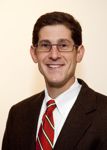
Brian Jacob
He spoke recently with AnnArbor.com about the research and its findings. An edited transcript follows.
1: Why did you want to look at the impact of NCLB?
It’s one of the biggest and most important federal education policies since the 1960s. It’s been very controversial, and it’s been up for reauthorization for a while. There’s been lots written about it, but nothing that focused on the big picture.
2: So what were some of the key findings from your research?
NCLB had positive effects on math achievement, and that while the gains were larger among poor, Latino (and other minority groups), there were also sizeable gains among the non-poor and non-minority.
The achievement gap lowered some, but not substantially. There was a more widespread effect. Reading was a much different story. We didn’t find any positive effects in fourth or eighth grade. There was a trend upward in reading, but it was moving upward from 1994 to 2000 also.
3: What does your research suggest should be done with reauthorizing NCLB?
It’s in the eye of the beholder. My personal view is that there’s some evidence of positive effects and so it seems that it shouldn’t be tweaked completely. I’d like to see it changed to give states more flexibility to focus on the school needing the most improvement. I think there are ways for it to be tweaked.
This research suggests you shouldn’t get rid of it completely.
You can read the entire paper here, or view the press release about the research.
David Jesse covers K-12 education for AnnArbor.com. He can be reached at davidjesse@annarbor.com or at 734-646-5208.