

Landscaping your yard with native plants

To see examples of native plantings, visit Furstenberg Nature Area’s wildflower garden and prairie, Leslie Science and Nature Center, or the Children’s Wet Meadow in Buhr Park. At first glance native plantings can seem “messy” or “weedy” to the observer. Once an appreciation is gained for the role these plants play in the environment, however, they can become good friends! Each plant has a special niche in a complex and fascinating ecological balance that can be observed a few feet from your door.
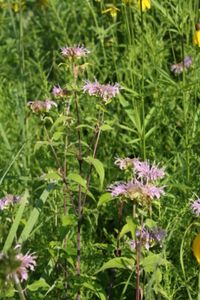
Native Plant: Bee Balm
To get started with native plants, Natural Area Preservation sells a set of brochures about landscaping with native plants for a modest fee. There is also a local group called Wild Ones that meets monthly (often to visit someone’s native garden) and maintains an email chat list. Of course there are numerous guides to native plants on line.
A list of nurseries that carry native plants (including one at the Ann Arbor farmer’s market!) can be found at the Michigan Native Plant Producers Association website. An inspiring book that presents a concise overview of the benefits of growing native plants is Bringing Nature Home, by Douglas W. Tallamy.
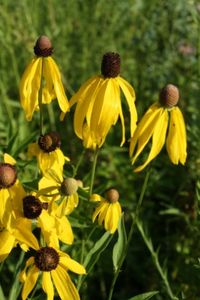
Native Plant: Cone Flower
Perhaps the best way to see the benefit of landscaping with native plants is to introduce a few at a time into your yard. Plant native American plum, milkweed, or bee balm and note the variety of insects that it will sustain, which in turn will feed the birds. Inhale the heavenly fragrance of plants that have not been hybridized for show. Enjoy!
Jason Frenzel is the Volunteer & Outreach Coordinator for Natural Area Preservation, with the City of Ann Arbor. He can be reached at jfrenzel@a2gov.org. Visit www.a2gov.org/NAP for more information about city natural areas and volunteering in city parks.
Your World provides local environmental information to our community. Contributing partners include: Washtenaw County’s Environmental Health Division; the nonprofit Recycle Ann Arbor; the City of Ann Arbor’s Public Services Area, Natural Area Preservation, Systems Planning programs for Energy, Environmental Coordination, Solid Waste, Transportation, and Water Resources.