

Millions of caregivers in U.S. could benefit from strong networks of friends and family
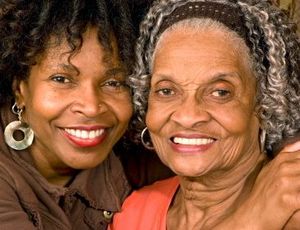
There is a caregiver living in one out of every three American households. Are you one of those caregivers? Join our conversation this week with Heather Jose discusses improving caregiver and patient experiences.
Editor's note: This post is part of a series from Our Values about core American Values. Dr. Wayne Baker is away this week and has invited Our Values guest columnist Heather Jose to discuss caregiving in America. Heather a writer and speaker on improving patient experiences. She also is a teacher, healthcare provider and activist with a website called Go Beyond Treatment.
Millions of Caregivers
There are times in life where we plan — even prepare — to take care of someone. One of those times is when we welcome a baby into our lives. We know what is coming: late nights, lack of sleep, “mommy brain” while we adjust.
But that is not typically the case when we become a caregiver to an older loved one. The phone rings, the trip to the hospital ensues, and the juggling begins. No maternity leave here — just another responsibility and incredible stress on an already full plate.
Have you been surprised by the call to become a caregiver?
This may surprise you, but there is a caregiver living in one out of every three American households. Some of these caregivers provide daily care for less than a year — but millions have been doing this for longer than five years, according to national studies.
We all handle this differently, and there is certainly no correct answer. Jane Gross has been blogging about this topic under a heading “The New Old Age: Caring and Coping,” reporting from her role as the caregiver for her mother.
In my life, my mother retired early so that she could take care of my dad, who was diagnosed with a rare form of dementia in his sixties. She now splits her time between my father and my grandmother, who are in separate cities and living situations. Her days are too often filled with doctors, complaints, and driving.
Caregiving is not going to stop happening, especially as Baby Boomers age. But it leaves a lot of questions left to be answered.
Here's a simple question: Who's in charge?
You are the patient; I am the caregiver. I take care of you. But, we might have that backwards! Inviting patients to guide their own care provides much-needed control when dealing with an illness or condition that often times sends their lives spinning out of control.
I have been the patient. A lot! Since I was diagnosed with stage IV breast cancer in 1998, I have spent many hours being cared for. I have learned a few things. If you are the patient, these tips may be helpful in coordinating a strong network.
- Keep the people who care about you informed — without draining yourself. I accomplished this through letters and emails. Conversation is good, but oftentimes leads to situations where you end up supporting the wrong person. You might even want to set up your email list before treatment begins, if you have that option, to simplify sending updates.
- Be specific. People will offer to help, but the aid is almost always worthless unless the person knows when, how and what they can do to be helpful. For instance, we circulated a sign-up sheet for drivers to and from radiation at our church one day.
- Have people do things that they are good at. The tasks varied greatly, from keeping my dog groomed and up to date on all his shots, to spending hours doing research. There were people who cleaned before I came home from my stem-cell transplant and even a chef who would bring me a smoothie while I was in the hospital. These tasks were all in their comfort zones.
Today, let's start our conversation with these questions:
Tell us about a caregiver you know.
If you are a caregiver yourself, tell us when you got that first call.
What tips can you add to this list?
What have you learned that "works"?
Remember: “Caregiving” can encompass many situations and ages with a wide range of intellectual and physical abilities — and a huge range of services and time involved. Some people need assistance for a single season — others need it for years. Some need 24/7 care; others need lighter assistance perhaps once a week.
I welcome your ideas — and more importantly our readers will welcome your ideas — wherever you fall in the big spectrum of care.
Heather Jose is the author of the book Letters to Sydney: Every Day I am Killing Cancer, co-author of The Healing Agreement — and a contributing writer for the Breast Cancer Wellness Magazine, Coping Magazine and Thrive. She is guest writing for Dr. Wayne E. Baker and can be reached this week at Our Values or ourvaluesproject@gmail.com or on Facebook.