

Science policy: Lessons from Washington, D.C.
Right now I am taking part in an experience that is highly unusual for graduate students in the physical sciences: a two-week science policy workshop. Typically, even though we are not enrolled as university students during summer, science graduate students are expected to spend summers working in their laboratories as research assistants. In fact, our advisers see summers as the ideal time to get research done, since there is no distraction from classes, teaching or other departmental functions.
But earlier this year, the more I began to think about my future, the more questions I started having about how science is made. For example, the National Science Foundation funds my research, but who decided we should get those research dollars? Who influences how the government makes decisions about science policy? And who is keeping the public informed about where taxpayer money is going? Also, I wanted to know how I could contribute to and influence discussions of science policy. Could I spend part of my summer exploring these questions?
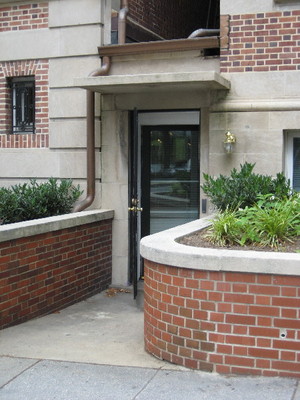
The Arizona State University Washington D.C Center
Erica Lanni | Contributor
Over the next several months, I applied to the program, was accepted, convinced my adviser to let me go, and fundraised like crazy so I could pay the program fee. Surprisingly, the fundraising was the easier part! Convincing my adviser? That was a little tougher.
I arrived in Washington, D.C on Saturday and the program just started on Monday. So far it has been fantastic and refreshing to grapple with questions of ethics, policy and communication. Over the next two or three weeks I will be posting more about my experiences here in Washington and sharing as much as I can about what I am learning.
Erica is a graduate student studying organic-materials chemistry at the University of Michigan. She would love to answer any questions readers may have, so please feel free to send or post them. She can be reached by e-mail at 27nickel@gmail.com
Comments
Cheryl
Thu, Aug 19, 2010 : 5:29 p.m.
What is the atmosphere like to talk and work with those who are more versed in policy and politics than science?
Andrew
Wed, Jun 23, 2010 : 9:09 p.m.
How did you go about convincing your adviser to let you branch out? To second Jonas, are you limited to policy jobs in DC or are there other options available to you from a geographic standpoint?
Jonas
Tue, Jun 22, 2010 : 6:05 p.m.
Are there jobs in science policy outside of Washington?