

The new fireworks law in Michigan could put pets on edge, but there's help to quell the anxiety from the noise
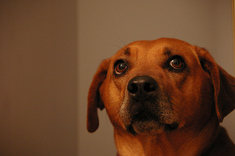
flickr photo by alyak
Summer is officially here, and it's a season filled with a lot of fun for us humans — but from a pet's vantage point, it can prove to be quite difficult — especially during Fourth of July and other gatherings.
Fireworks (and in some cases gunfire) are unfamiliar and frightening to pets of all species.
I'll admit, Independence Day isn't my favorite holiday, but only because of that. So many pets are frightened by the noise and lights associated with fireworks, and it's hard to see companion animals in such distress. As a result, I do spend a lot of time taking precautions to ensure the comfort and well-being of my charges. Surely those of you with pets can relate!
In case you weren't aware, if you share life with pets and they find all of the noises and lights associated with fireworks hard to deal with, your collective lives will probably get more challenging where fireworks are concerned due to some new legislation.
Gov. Rick Snyder signed a law into legislation in December that now allows louder, more powerful fireworks to be legal in Michigan.
As we've all experienced, the noise of fireworks doesn't occur just on July 4, and that can be challenging.
But sadly, this time of year — along with New Year's Eve — is one of the most prevalent times for missing pets, as many become frightened and dart out open doors. Injuries from coming into contact with fireworks can pose a threat during this time as well.
(The onslaught of extra people in the house — or lack thereof, if you're away — can bring on anxiety too, as can the noise that sometimes accompanies the festivities.)
Here are a few things to keep in mind, and tips to help keep pets safe, sound and happy:
- Make sure you have up-to-date photos of your pets. You probably have a lot of photos of your pets either around your home or floating around in your digital camera. Having a picture of each of your pets in different poses and settings could ensure that you'll be reunited with a lost pet. The Missing Pet Partnership offers tips on photographing your pet for the purpose of recovering them if they are lost.
- Be sure that your pet is microchipped. Click here to see how easily the procedure is done.
- Ensure that your pet is wearing a collar with clearly marked identification that includes the pet's name, your name, address and telephone number.
- If you're hosting a gathering and your pets have a tendency to be skittish with unfamiliar people, consider keeping them in an area of the home that will be undisturbed by anyone, with the door shut. In the case of a dog, a crate might be an added source of security. Play soothing music, talk radio or white noise to try and block out any unwanted noise that will cause anxiety. A free download for calming music is available here.
- If you find that there are fireworks or other loud noises are troublesome for your pet, consider using what I call "storm treats" to try and curb a negative association with the noise. Directions for playing a game involving storm treats are listed here. Also, a pressure wrap can be helpful. Swaddling and deep pressure have been proven to provide both humans and animals a sense of comfort. Temple Grandin, Ph.D. expands on the topic of deep pressure in animals. Some dogs can benefit from wearing a Thundershirt, or a snug-fitting T-shirt. The theory is that the sensation of deep pressure, (in this case a variation of it) around the torso primarily, or swaddling — modulates the central nervous system, producing a calming effect.
- Consider using T-Touch, an approach first developed for horses by Linda Tellington-Jones, and is used worldwide to address a number of issues, including noise phobias in canines.
- Try dog-appeasing pheromone, also referred to as DAP, a synthetic pheromone produced by lactating bitches. Undetectable and equally safe for anyone outside of the canine species, DAP has been effective in addressing anxiety of various forms for dogs and can be found in a spray form, a collar that is worn and replaced every four weeks or in a diffuser. You might recall my talking about Feliway, the feline version of the same pheromone. DAP helps to attain an overall sense of well being in dogs.
- Never force a companion animal to be present during a fireworks display. The noise, flashes of light and the smells can be confusing for pets. Scared pets can react by snapping or biting, creating a very unsafe situation for both human and pet.
The great thing about these specific suggestions is that they are easy to implement, and none of them have side effects. Depending on the severity of your pet’s discomfort when it comes to anxiety associated with fireworks, you can tailor a plan of action that works by trying one at a time, or perhaps more than one in tandem.
If your pet is sound sensitive and these other tips don't seem to help, you're not alone. It's advisable to consult with your veterinarian to prepare a treatment plan to make them as comfortable as possible.
Additionally, a quick inspection of your yard on a regular basis during this time of year is encouraged. Pieces of spent fireworks can land anywhere and curious pets, especially dogs, will readily pick them up and could possibly ingest them. I make a point to keep an eye out for used fireworks when I'm dog walking with a client.
Lorrie Shaw leads the pets section for AnnArbor.com. Catch her daily dog walking and pet sitting adventures or email her directly and subscribe to AnnArbor.com's email newsletters.
Comments
Ann English
Tue, Jun 26, 2012 : 11:42 p.m.
I think I already described what my Lab had done one New Year's Day night when we shot off firecrackers (she hid under the dashboard of a running automobile, on top of the brake and gas pedals), but a sister and brother-in-law were still getting acquainted with a German shepherd they had been given. That dog apparently reacted in a unique way to the firecrackers shot off in the dark; she ran and retrieved the shells from them. My brother-in-law was amazed at her. She didn't ingest any of the shells, just satisfied to bring them back to her relatively new owners.
treetowncartel
Wed, Jun 27, 2012 : 7:43 p.m.
Years ago I met a guy who had German Shepherd that would chase bottle rockets
LA
Mon, Jun 25, 2012 : 3:37 p.m.
Thanks for the tips. My Lab never minded fireworks in the least, but our new puppy is very noise sensitive. We are going to try the 'treat' idea first.
jns131
Tue, Jun 26, 2012 : 4:06 p.m.
Just hold her or let her go under the bed or where ever she feels comfortable hiding. This is what our long since deceased fur baby did. Hid under the bed. Kind of miss her this time of year. But now that we have two who seem ok with it? Glad I don't have to worry so much.
Lorrie Shaw
Mon, Jun 25, 2012 : 8:34 p.m.
Great, LA! "Storm Treats" work well. Let me know how things go! Good luck. It's hard when any pet is noise sensitive.
Cash
Mon, Jun 25, 2012 : 3:13 p.m.
Poor critters. Isn't it amazing what human beings do for fun? Make noise, watch lights flash....wow.
jns131
Tue, Jun 26, 2012 : 4:05 p.m.
Nope. Our CAT member from our Neighborhood Watch said that unless it is 2 in the morning or before 8am? There is nothing the police can do about it. Either enjoy or turn up the television volume. I am glad though that we have two dogs that just ignore them. Our first fur baby hid for months until things settled down. We always felt sorry for her.
mermaid72
Tue, Jun 26, 2012 : 12:07 p.m.
We live on a lake & have neighbors that blow off some of the loudest bombs made on an almost daily schedule. They terrify both humans & pets. But then, some people have no respect for anyone.
Lorrie Shaw
Mon, Jun 25, 2012 : 8:32 p.m.
It is a challenge for the pets, that's for sure.
treetowncartel
Mon, Jun 25, 2012 : 2:52 p.m.
@ Craig, I think there will be a little bit of an uptick since you don't have to get south of the border for the country milers and M-80's anymore. It seems as though as dogs get older they get more wigged out by thunder and fireworks. I used to have a dog that headed for the basment as soon as he heard rain drops hitting the vinyl siding.
Lorrie Shaw
Mon, Jun 25, 2012 : 8:32 p.m.
treetowncartel: I can relate. Our Gretchen is far less fond of the noise associated with thunderstorms and firecrackers now that she's 14. Thankfully just a little reassurance helps (and a little white noise!). Also, I'm interested how much the new law will affect people's willingness to buy the fireworks that were previously off-limits. Thanks for taking the time to comment!
Craig Lounsbury
Mon, Jun 25, 2012 : 2:14 p.m.
I'm not sure how much difference the new law will really make. Its not like there weren't plenty of loud bangers in my area under the old law. At any rate I have two little dogs that are terrified of thunderstorms and fire crackers.
jns131
Tue, Jun 26, 2012 : 4:01 p.m.
The new law won't may any difference in whether a pet will be ok with fireworks or not. Whether or not they are louder, brighter or bigger, the pet won't find it any less irritating then if they were not as loud or bright. The ones you are talking about might have come from out of state. There was no way to keep the illegals out of the state and no way the MSP could crack down on these without making it a federal case. So, for now? Lets enjoy the big boomers and let the dogs hide under the beds.
Lorrie Shaw
Mon, Jun 25, 2012 : 8:28 p.m.
Craig: So sorry to hear about your pet's trouble. I can empathize. Here's a previous piece that I wrote regarding thunderstorms and dogs. Very interesting food for thought about what dogs sense. http://www.annarbor.com/pets/hope-for-dogs-with-storm-or-noise-phobias/ Thanks for chiming in!
Billy
Mon, Jun 25, 2012 : 11:15 a.m.
Give your dog some Diphenhydramine if they spaz out because of fireworks. A quick google search will give you weight/dosage and any drug interaction warnings for your pet too. Also, diphenhydramine tends to be a bit cheaper when its sold as an antihistamine as opposed to a sleep aid.
Lorrie Shaw
Mon, Jun 25, 2012 : 8:26 p.m.
Billy: Yes, many clinicians recommend using diphenhydramine, a antihistamine that can be purchased over the counter as a generic (or sold under the brand name Benedryl). Diphenhydramine has a sedative effect, and in this case it can be useful. As always, your pet's veterinarian should be consulted before giving your pet any medication, OTC or otherwise, to be sure that there will be no contraindications with existing medications or issues because of health conditions or age. Your clinician can recommend the right dose for your pet as well.