

Winterizing your home against pet and indoor allergies
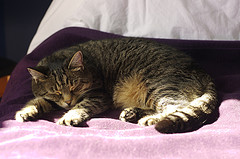
flickr photo courtesy of alisdair
Dealing with them can be simple enough by avoiding the offending pollen as much as possible, showering after obvious exposure and before bed to wash off pollen and using antihistamines to mitigate some of the symptoms.
But, soon enough, the time will come to move our lives back indoors for the winter and to close the windows to keep out the elements. Make no mistake — allergies can be just as much of a bully in the cold months as they are at other times of the year, and for some, even more so.
Our indoor environment during the winter can be primarily taxing on us due to a few factors, like the drying indoor heat, dust mites, mold spores and most of all — pet dander.
We can improve our indoor air quality by changing furnace filters (we buy the inexpensive ones and change them monthly), and putting a humidifier into use can really help.
It's important to remember that anything that's not a hard surface can easily harbor mold spores, pet dander and dust mites. Mindful attention to how, what and how often you clean can significantly reduce allergy symptoms, and help everyone, including asthma sufferers and children, live more peaceably with their pets throughout the cold months.
A few rules of thumb:
Brush and bathe pets. Brushing pets is great because it removes the loose fur quickly, cuts down on shedding and, of course, the amount of dander, a major allergen. Use a mild pet shampoo to bathe as well as a brush designed for their coat. Brush at least a couple of times a week.
Make your bed. Washing and heat drying linens frequently is a boon to allergy sufferers, as dust mites love bedding. Hypersensitive to allergens? Consider buying a mite-proof mattress and pilllow covers to reduce the risk.
Do you make your bed after sleeping in it? You should, if you have pets, especially cats. Most cats love to, of course snuggle up near the pillows on beds — right where your face touches as you sleep. Keeping your sheets free from pet dander, primarily cat dander can keep you breathing easy. Again, washing linens regularly is a must if you have pets.
Open up. Now and then, crack a couple of windows to allow some fresh air in.
Throw in the towel. In the washer, that is. Hang bath and kitchen towels to dry after each use, and launder/heat dry at least once a week to avoid mold growth.
Take cover. I cover the dogs' beds with an old fitted sheet, especially during the winter months. That way, I can carefully gather up the fur-covered sheets, shake outdoors and launder those, rather than removing the outer covers of the dog beds and washing them each time. Also, I use old towels to cover the area that our cat likes to nap, and wash them at least once or twice a week along with the dog sheets.
Suck it up. Vacuuming floors is standard, but are you paying attention to your window treatments, furniture and vents? Be sure that you utilize that vacuum attachment to reach drapes or blinds and give your upholstery special attention, once a week.
With just a bit of effort, maintaining good air quality this winter, especially while living with pets can be a cinch.
Lorrie Shaw is owner of Professional Pet Sitting and a pet blogger. She is also a regular pets contributor on annarbor.com where she examines topics ranging from social issues, health and behavior. Reach her via e-mail and follow her on Twitter @psa2