

12 ways Ann Arbor residents benefit from countywide expansion of AATA - and how it might cost them
What do Ann Arbor residents stand to gain from a countywide expansion of the Ann Arbor Transportation Authority?
That was a question members of the Ann Arbor City Council posed to AATA CEO Michael Ford during a recent council work session.
Ford is asking the council on Jan. 9 to enter into a four-party agreement that will lay the framework for creation of a new countywide transit authority in 2012.
In an email to council members in mid-December, Ford further explained what he sees as the benefits to Ann Arbor residents, who could be asked to pay a new 1-mill countywide transit levy on top of the 2 mills they currently pay for AATA service under one scenario being considered. That equates to a little more than $100 in additional taxes for the average Ann Arbor resident.
Here's what Ford had to say in the email:
If voters approve a funding source for countywide transit, Ann Arbor will have a much higher level of service, commensurate with the higher level of contribution.First, it is important to understand that Ann Arbor currently enjoys a much higher level of service than outside Ann Arbor. For fixed-route service, this includes comprehensive geographic coverage, as well as more frequent service, and a longer span of service.Michael Ford
In addition, A-Ride and Good as Gold provide comprehensive door-to-door service for people with disabilities and seniors, while outside Ann Arbor, the level and availability of these specialized services is much lower. ... the existing millage funds and the existing millage will continue to be needed to maintain this service.
If additional funds are approved to implement the TMP (Transit Master Plan), they will be used to fund additional service and service enhancements in Ann Arbor. Included in the first five years of the draft TMP for Ann Arbor city residents are:
- More frequent service on most routes including Plymouth, Packard, Miller, etc. (10-20 minute frequency) Note: Washtenaw Avenue service will be increasing to 5-10 minute headways during peak times in January 2012
- More direct routes enabling more Ann Arbor workers, high school students and residents to get to their destinations more quickly and efficiently
- Bus priority measures that allow buses to move more rapidly through (or avoid) traffic, including signal priority and queue-jump lanes at selected intersections, these investments will dramatically improve service and set the stage for higher-capacity transit options
- Later service on weekdays, and Saturday and Sunday evening service for commuters, downtown workers, and students
- Connecting service to Commuter Rail or Bus Rapid Transit when such service begins
- Bus stop improvements, including improved amenities, bus stop accessibility, and more shelters and benches to make the transit experience more comfortable and accessible for all users
- Real-time information and enhanced methods to get information to customers
Finally, there will be substantial benefits for Ann Arbor residents from the creation of the countywide service:
- Enables Ann Arbor residents to travel to more destinations outside Ann Arbor, such as Detroit Metro airport and nearby communities
- Creates options for more people to travel to Ann Arbor for work, school, and shopping using countywide funding from outside Ann Arbor, decreasing the need for parking investments and road improvements within the city
- Ability to connect most efficiently to the greater region
- Get commuters on the periphery out of their cars and onto a bus outside Ann Arbor with more park and ride lots
- Get regional commuters out of their cars with urban express services and vanpools
The TMP sets the stage for local and regional transit investments, where Ann Arbor is the economic center of the county. The u196 board will continue to work with citizens in Ann Arbor and throughout Washtenaw County on refining a plan for the most appropriate services before initiating incorporation of a countywide authority.
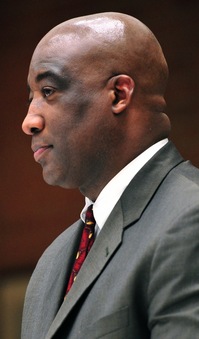
Local blogger Vivienne Armentrout, a former county commissioner, argues Ann Arbor taxpayers could end up being accountable for nearly two-thirds of the local tax revenue for a new countywide authority. She offers a detailed breakdown in a recent blog post, which assumes Ann Arbor taxpayers will pay a new 1-mill tax on top of the existing 2-mill levy.
Armentrout also argues that, under the 30-year countywide plan, programs that will not benefit riders until far in the future will start to cost the system much earlier. She cites $13.1 million for commuter rail and $4 million for high-capacity connector services in the first five years.
Another impact on Ann Arbor’s total share of the cost is that, under the countywide plan, other local governments no longer would pay "purchase of service agreement" charges for their bus service, Armentrout writes, noting that brought $1.3 million into the system in 2011.
Ryan J. Stanton covers government and politics for AnnArbor.com. Reach him at ryanstanton@annarbor.com or 734-623-2529. You also can follow him on Twitter or subscribe to AnnArbor.com's email newsletters.
Comments
Antonia Maurici
Mon, Jan 23, 2012 : 4:10 p.m.
I am a daily user of the AATA. I live out in Ypsi township near Ford Lake and ride into Ann Arbor every day to work. I'm not the only one who rides it to work from Ypsilanti. The vast majority of riders are residents of Ypsilanti and are going to jobs in Ann Arbor. I'm appalled at the attitude expressed by some of the posters stating that since one doesn't use the service, why should someone's taxes go to it. You pay a millage for the city's public library. If you choose to not use the library services that's your choice, but you have made it possible for others in your community to use it. You pay a millage for fire and police services and may never use it, but your taxes make it possible that your community has it available. Saying you don't want to pay for a millage to improve the area's public transportation services because you don't use it is just plan ignorant. Having libraries, public transportation, fire and police services enhances a community's appeal. Who'd want to live in a community where you had to pay upfront for emergency services or not have those available? Property values would go down and jobs would disappear. That's why Detroit is in such a bad situation. People left, the tax base left and services left. Having excellent public transportation is an attractive offer to get people to work in an area. Having an attractive public transportation system will improve the quality of life for everyone and in the long run generate tax dollars as people and companies move in to the area.
BHarding
Sun, Jan 8, 2012 : 1:57 a.m.
Two Canoes: The State of Michigan may be at the bottom for public transportation, but Ann Arbor itself has great public transportation because we pay for it. It's not a new concept to anyone.
two canoes
Wed, Jan 4, 2012 : 12:33 a.m.
I appreciate everyone's concern for being taxed, but get the facts before you beat up a good idea. Please keep in mind that a public bus system isn't a cab. You have to make the effort to get to the bus. Michigan is at or near the bottom of public transportation in the USA. Public transportation is important for folks who don't have a car or are happy about the opportunity to ride the bus and not drive in bad weather. It's a new concept to a lot of you, so give it a fair shot.
talker
Tue, Jan 3, 2012 : 2:25 a.m.
When will the city council members most supportive of the countywide plan get it. First, fixed rail isn't economic for Ann Arbor. Commuter bus service among communities can start sooner, make more stops, and get people closer to where they need to be. Why consider fixed rail and then need buses to get people from train stations to different job sites when buses can do the whole job, sooner and cheaper? The exhuberance of some about commuting by rail makes me wonder if anyone pushing the issue has a financial stake in it. Please don't compare Ann Arbor to a city such as Chicago, which has heavily used, standing room only trains and buses. Anyone promoting rail who doesn't believe usage could be that much different, I urge you to go to Chicago and stand (out of the way of people trying to save half an hour by catching an express train) in the downtown terminal between 4:30 and 6 p.m. on any weekday. There may be more people boarding any one of the many trains than would use all trains combined in Washtenaw County in an entire week. It would be too expensive to run many trains with a few people on each train and if trains are scheduled too far apart, the benefits of fixed rail disappears. Why not schedule frequent bus or van trips between towns. Buses and vans can stop closer to where people are going. Local governments can alter routes depending on usage. Fixed rail can't do that. I'm voting "no" for that "cockamamie" proposal.
Woman in Ypsilanti
Tue, Jan 3, 2012 : 7:48 p.m.
I absolutely have a financial stake in rail as a property owner in Ypsilanti. If there is a commuter rail between Ann Arbor and Detroit with a stop in Ypsilanti, it will make my house a nicer place to live because of the additional commuting options. That will in turn raise the value of my property. It will also expand my job opportunities because I am currently limited by geography in that I am unwilling to drive more than 20 minutes to any job. I am willing, however to take more time with a bus commute or a train commute. The more one is willing to expand a job search geographically, the higher salary they typically end up with so there too, I have a financial stake. I also prefer trains to buses and vans because the ride is much more comfortable. I am not alone in this.
Kai Petainen
Tue, Jan 3, 2012 : 1:01 a.m.
This might interest some folks. It's a listing of the top 100 infrastructure projects in Canada <a href="http://renewcanada.net/2012/the-top-100-projects-of-2012/" rel='nofollow'>http://renewcanada.net/2012/the-top-100-projects-of-2012/</a> increases in wind, nuclear and transportation <a href="http://renewcanada.net/wp-content/uploads/2012/01/Top100Breakdown_Chart.jpg" rel='nofollow'>http://renewcanada.net/wp-content/uploads/2012/01/Top100Breakdown_Chart.jpg</a> most expensive is a rail line project in ontario <a href="http://www.thestar.com/news/article/1109709--eglinton-lrt-is-the-most-expensive-infrastructure-project-in-canada-according-to-new-report?bn=1" rel='nofollow'>http://www.thestar.com/news/article/1109709--eglinton-lrt-is-the-most-expensive-infrastructure-project-in-canada-according-to-new-report?bn=1</a> "That list includes $2.1 billion for a light rail project in Ottawa; $1.4 billion for a bus transit system in York region; a $1.4 rapid transit expansion in Vancouver and massive light rail projects in Calgary, Waterloo and Edmonton. To make the list, infrastructure projects must be "going forward," Shenker said. "We have to feel that this project is moving ahead — that there's political will with enough backing that we feel the momentum is there and the funding will be there." The Eglinton line came in ahead of a controversial hydroelectric dam in northeastern British Columbia, a new project in the planning stages that will cost $7.9 billion.
st.julian
Mon, Jan 2, 2012 : 11:58 p.m.
I am a resident of Dexter. I am not interested in funding a county wide transportation plan dominated by Ann Arbor's quest for expanded political power over taxation and social policy. The funds would be Better used for road improvements outside of Ann Arbor.
USRepublic
Mon, Jan 2, 2012 : 9:58 p.m.
Mr. Ford is going to get a black eye over this crazy idea.....
Michael Hartwell
Mon, Jan 2, 2012 : 7:57 p.m.
Just do it. This is just as important as parks, libraries, and DDA parking fees.
aes
Mon, Jan 2, 2012 : 7:19 p.m.
Love the bus and have been riding it for years (ever since the old days of "Dial-a-Ride."), but I do agree with comments by CincodeMayo that first we should improve the nearby necessary local services; for example, establish an AATA connection that allows riders to get to Domino Farms or to UM's East Ann Arbor Heatlh Center--for a doctor's appointment; or provide the ability to ride the bus to St. Joe's Hospital or Washtenaw Community College on weekends--before we venture further afield, possibly to areas where there might not be enough bus users to make the expansion worthwhile. First, let's cultivate our own garden before venturing forth to work in the gardens of others (to rephrase a Voltaire quotation).
kenUM
Mon, Jan 2, 2012 : 8:05 p.m.
aes, Connections to East Ann Arbor Health and Domino Farms are easily made by taking the AATA's 2 Plymouth to U-M Hospitals and transferring to U-M's Intercampus Route.
Derrick Forshee
Mon, Jan 2, 2012 : 6:49 p.m.
Everybody keeps whining about a small tax increase but forgets that a county wide transit system would be invaluable to the poor and those lacking adequate transportation. Those workers at McDonalds that give you cheeseburgers when you go out would appreciate a ride home. Just because a particular city service may not directly benefit you it doesn't mean no one benefits. Aren't we all here to help each other in the community?
Sam Smith
Mon, Jan 2, 2012 : 10:34 p.m.
I am poor and lacking adequate transportation. I am very generous to others in need with what I have--we're in the same boat. I make just enough not to qualify for any help yet not enough to pay for projects that sound good on paper but in reality are not what they propose. I live in this area because I work in this area. I'm not complaining but here are some facts: I can't afford McDonalds either. I shop at Thift stores. I don't have a fancy phone to text and the expensive plan to do this. I support taxes to help those who need education, housing and health care. When I buy something I look at everything about the product. Show a detailed plan, demonstrate the need. How often is the bus going to Brighton and how many riders? To Howell? To Dexter? Chelsea? to ? If there is a need then great I'll support this. It is my right to scrutinize my taxes especially now when all there is is more tax increase proposals. Show me a detailed plan and demonstrate the need. And please don't hire some very expensive consult to do this!
John S Wolter
Mon, Jan 2, 2012 : 6:09 p.m.
Plainly put, the middle to end of the Great Recession is the wrong time to raise any taxes. What are you thinking? This is way out of touch with the terrible conditions people are struggling with now. I'm a great supporter of AATA but proposing this at this time tells me to look at those who put it forward and to look at replacing them.
kenUM
Mon, Jan 2, 2012 : 7:06 p.m.
John, I totally agree with you! My concern is the cost, something that will most assuredly continue to rise. A good example was posted earlier with regard to the replacement cost of the BTC. A second example is what has happened to the millage in Ypsi. If you recall, the millage had not even been certified; when we had AATA commenting on how Ypsi needed enhanced service beyond what they presently have. Additionally, now AATA broke the news telling Ypsi that the millage will not cover the cost of the present service next year. I am convinced that this will be the case for all of us if the County Wide millage is passed.
EcoRonE
Mon, Jan 2, 2012 : 5:49 p.m.
The population density of Ann Arbor is no where near that needed to sustain public transit so to expand into even less populous county areas is insanity without (1) county wide planning with a vision to building sustainable transportation corridors and (2) requiring much higher payments from those living in less populated areas than those choosing to live more sustainably in the denser areas of the city. AATA has it backward. County residents outside Ann Arbor should be paying the 3 mils to avoid using their car and paying for parking. If AATA and the city need more money for bus service and commuter trains, I say tax public and private parking. Is there a loophole somewhere that we can tax parking on UM properties. That would really be a hoot and solve all of AA's funding problems and eliminate the angst over fire department cuts.
pooh bear
Mon, Jan 2, 2012 : 5:38 p.m.
If you carefully read your tax bill you will notice that AATA gets more than the library! Considering how many more people benefit from and use our library services, I find raising the AATA millage absurd and insulting. Better service with what they receive now (like later evening routes) should be their focus.
Woman in Ypsilanti
Mon, Jan 2, 2012 : 6:02 p.m.
The library doesn't do much good if one can't get to the library. Just sayin'
CincoDeMayo
Mon, Jan 2, 2012 : 5:24 p.m.
I'd like to see some coordinated effort with the city and nearby townships regarding the bus stops, and some uniform training and oversight on the service provided by the drivers. (Even though, I'll say again, most are helpful.) I really believe that with a little bit of work - more schedules and buses that make sense, more extensive coverage of the city and edges of the townships, uniform friendly service, and safe, attractive shelters would be the more likely things to increase ridership. The new Blake Transit Center is NOT needed.
CincoDeMayo
Mon, Jan 2, 2012 : 5:23 p.m.
One might ask "Why not improve what you have first"? Exactly my sentiment. I grew up riding AATA until well into my twenties. It worked well for me. Now my own children are riding the buses and it does not work as well for them. Routes to their schools go way out of the way and/or do not accommodate after school activity times. Some drivers are extremely helpful, some are so surly my children avoid their routes. Recently, I rode the bus and had to watch the driver ignore a disabled man who asked for help. When the man spoke more loudly (to ask for help with his chair!) two more times, the driver finally in an exasperated manner helped him get the chair fixed into place. My children do tell me that most of the drivers are friendly and helpful, but that there are a handful similar to the driver I witnessed. This concerns me since I always tell them that they can ask the driver for help if they are confused about their route, which bus to ride, or where to get off of the bus, etc. Bus shelters have been removed (SB Platt Rd. across from Colonial Square) and bus stop locations sometimes do not even have sidewalks that can be cleared (Ellsworth Rd. both east and west of Platt.) let alone have any kind of shelter. In the winter people must walk to the stop in the snowy roadway since the sides of the road are piled with snow, and then stand in a snow pile. Stops with sidewalks, safe areas, and more convenient locations attract more riders (Medford Rd., Mott, etc.)
aes
Mon, Jan 2, 2012 : 7:23 p.m.
Thanks for writing this. You are soooo right!
Woman in Ypsilanti
Mon, Jan 2, 2012 : 4:58 p.m.
There are some pretty big benefits to communities who provide decent public transportation that go to those who don't actually use the service. One that I can think of is that it makes it easier for people to get to work which in turn makes life easier for employers. It also makes it easier for customers to get to businesses. The connection between public transportation and economic activity is pretty direct, well established, and meaningful. Every person who is riding the bus is one less car on the road so even if you don't ride the bus, it is usually in your best interest to support good public transportation or at least it is if you don't like traffic jams. And then there is Parking. If you like that when you go downtown, there are parking spaces available, you should support public transportation. Sure you have to pay to park downtown but think about how much *more* you would have to pay if folks weren't doing the park and ride thing. I wonder how much that $100 per year compares to the amount saved on wear and tear of the roads and lower parking costs. Or how much that $100 per year compares to the increase in property values that goes along with having public transportation nearby.
Les Gov
Mon, Jan 2, 2012 : 4:57 p.m.
AATA do you remember this?? "The AATA is planning to undertake a $5.5 million project to build a new two-story Blake Transit Center starting in spring 2012. When first proposed, the cost for the Blake Transit Center project was estimated at between $2.7 million and $3.7 million. That went up to $4 million in 2010, and now to $5.5 million." First off the current transit center is only 25 years old. Why is it that government buildings have to be replaced every 25 years? (well maybe to avoid the historical commissions in AA might be a reason.) Here is the bottom line. The AATA has plenty of money to replace a relatively new building and increase the original budget for the replacement by 100%. If the AATA has soooo much money that they can replace a newer building with a "Taj Mahal", there isn't any reason for a single taxpayer in AA to support a millage increase. In fact, I think the AATA should rebate some of the money it has collected through taxes. Clearly the AATA is well funded based on how it spends our money.
Todd
Mon, Jan 2, 2012 : 4:49 p.m.
Tell me why our taxes should pay for the county's transport? Didn't we just pay $50,000,000 for an underground garage so people could get here easily? The plan, in a link in this article, is actually to raise the mil to 1.5, a 75% increase! A build it they will come attitude doesn't fly. As usual aacom just blindly repeats what they are told. No followup or further questioning.
Arno B
Mon, Jan 2, 2012 : 4:29 p.m.
It is always a pleasure to hear pronouncements from swollen heads about how wonderful things would be if we only adopted their grandiose spending schemes. One item for which I have never heard the cost [let alone where the money came from] was the 167 page "Washtenaw City Transit Master Plan" dated Nov. 30, 2010. It was written by consultants Steer Davies Gleave in Boston. Look it up! One might ask "Why not improve what you have first"? I often drive through and around town and see many people shivering and huddling waiting for the busses. Sometimes many are waiting on both sides of the street for example in front of the Alanon Center on N. Maple. Go past Maple Village and the Westgate shopping mall and note the older people waiting for the bus in all kinds of weather. Also note that only a small number of the existing pole stops have waste baskets attached. AATA says that "we install shelters at the bus stops based on ridership". They obviously do not want to spend anything on improving their services. Perhaps if they did more people would ride. However, they do want money for all kinds of spending fantasies. I wonder if all of these proposed additional services [with many busses running around empty most of the time] would be discontinued for lack of ridership?] More bus stop shelters would also provide additional benefits, at least according to Councilwoman Briere. She has advocated installing Art in these shelters as part of the Arts budget. Yes, I admit that it would be educational to have the bus patrons studying art while they are waiting, thus providing additional cultural uplift to our cirizens. As Shakespeare said, "What fools these mortals be!" [Just drive past City Hall.]
bunnyabbot
Mon, Jan 2, 2012 : 4:41 p.m.
well rather than install public art maybe install posters with example, Shakespeare printed on it so that someone that frequents a stop can read an entire play over the course of several uses, thereby actually working thier brains while they have to wait if they chose to.
Chase Ingersoll
Mon, Jan 2, 2012 : 4:10 p.m.
Ryan: I would re-write your title to "12 ways Ann Arbor residents MIGHT benefit from countywide expansion of AATA - and how much it WILL cost them. Chase Ingersoll
bunnyabbot
Mon, Jan 2, 2012 : 4:08 p.m.
AATA has been around for years and they haven't made enough money to pay for themselves for years. Until they are bursting at the seams with ridership and money in the bank to pay for thier own expansion they shouldn't be asking for an additional 50% funding from Ann Arbor residences. Am I sorry some people don't have or can afford cars, yes, but I am already paying for a service I don't use as a "charity" for those people that need it. Instead of looking to the residence opposed to increased bus tax they should look to how AATA is run before complaining about the "1%" not wanting to subsidize thier transportation MORE. Additionally why are Ann Arbor residence responsible for the burden for a countywide transportation system?
Chase Ingersoll
Mon, Jan 2, 2012 : 3:48 p.m.
LET THE MARKET WORK PLEASE If the employers and retailers in Washtenaw County, think it will stabilize their workforce and customer base, then let them design the system and determine what they will pay for it. To do other wise is to repeat the paradigm of unaccountable spending of other peoples money.
Chase Ingersoll
Mon, Jan 2, 2012 : 6:48 p.m.
The market is broken due to bureaucratic manipulation where the corporations (employers and retailer) go and pull strings within the bureaucracy to obtain what they want, the bureaucracy comes back on behalf of their constituency, the two devise a compromise that they can agree upon which inevitably is something more costly than they originally suggested, but they [large corporations and government units] don't care about the increased price, because they are just passing it on to the taxpayers. So the taxpayer, maybe gets a portion of something useful that they needed, but they end up with an overall inefficient, system that is mostly intended for the benefit of those in the bureaucracy that will receive pay and benefits for "managing" the monster that they created. Chase Ingersoll
Woman in Ypsilanti
Mon, Jan 2, 2012 : 5:05 p.m.
Obviously the market is broken. Or at least it is fair to say that the free market is not always the best thing in every situation. So you could have the employers and retailers in Washtenaw County design and pay for a transportation system except that they wont do it when it is easier to move to places that already have good transportation systems. Not to mention that people are generally pretty myopic and go for short term gains over long term potential.
JoeNuke
Mon, Jan 2, 2012 : 3:30 p.m.
This does not hold together. For example, one of the benefits cited is reduced spending on parking. However, parking seems to be revenue positive for the city. Since AATA is currently highly subsidized by taxes, the necessary tax revenues will continue to expand with expanded service. I believe the tax subsidy will increase by more than the service expansion, as it is likely that added (marginal) service will generate a lower percentage of its costs via fares than current services. This is not sustainable and needs to change. To be sustainable, users will need to pay an increasing share of the operating costs. This is rational because the users derive the most benefit in terms of savings on parking, increasing fuel costs. Going forward, rational pricing and means tests need to be used to drive down the tax subsidy rate to support any expansion in services. Services need to be priced and prioritized to deliver maximum value with limited taxpayer support. For example, how can we justify high cost services such as door to door transport for senior citizens, regardless of means to pay? Ann Arbor should not have an additional millage to support any expansion; this should be accomplished within the current millage. The vision process used to define the expansion was inverted. It was a wish list that was cost blind rather than starting from what could be sustained by reasonable funding assumptions. Would you buy something with your own money that way?
a2cents
Mon, Jan 2, 2012 : 5:05 p.m.
In an ideal world the selfish auto drivers would subsidize the bus, perhaps through parking fees. Car parking is a blight on the landscape.
Gramma
Mon, Jan 2, 2012 : 3:28 p.m.
In the past, Michigan had a very good public transit system, running between cities (including small towns) and within those cities. That was eliminated by lobbying from the car companies so people would be forced to buy cars. Our love affair with private automobiles is getting testy, with rising gas costs and destruction of the environment. Many people who are unemployed lose their cars or cannot afford repairs, so they cannot find new jobs. Many people complain that too many people are on welfare. Public transit provides jobs and gives people a way to get to jobs. With a continued attitude of "I'll only pay taxes for things which directly benefit me" and "What's in it for me", this country will continue to go downhill. A society which is not a community is doomed to fail and collapse from within.
Foote
Mon, Jan 2, 2012 : 8:19 p.m.
jcj, I support public transit but have not decided on this single issue yet. On the other hand I thought I would chip in and offer support for Gramma's comment about removing public transit systems, not only in Michigan but throughout the entire country. Watch this PBS documentary "Taken for a Ride" (about an hour long). <a href="http://www.youtube.com/watch?v=rAc4w11Yzys" rel='nofollow'>http://www.youtube.com/watch?v=rAc4w11Yzys</a> It is a fact that GM and Standard Oil purchased trolley and rail lines and removed them.
jcj
Mon, Jan 2, 2012 : 4:43 p.m.
"In the past, Michigan had a very good public transit system, running between cities (including small towns) and within those cities." Details please.
jcj
Mon, Jan 2, 2012 : 3:05 p.m.
Just in case anyone can't figure it out. Expect an increase in Mr Fords salary. Oct 2011 AATA has eight employees making more than $90,000 at a time when it has a nearly $1 million deficit, Ford makes $183,895
5c0++ H4d13y
Mon, Jan 2, 2012 : 3:05 p.m.
I often wonder how much it would cost to contract with an existing company that provides door to door service for the disabled.
Gramma
Mon, Jan 2, 2012 : 3:20 p.m.
There was a contract with People Express, which ran out of Whitmore Lake, which was eliminated to help with (I believe) housing. I used it regularly. I don't know what it cost. I do know that the routing was often very inefficient and could have been done in a more cost effective manner, but that had nothing to do with the withdrawal of the contract.
Vivienne Armentrout
Mon, Jan 2, 2012 : 3:01 p.m.
Thank you for highlighting Mr. Ford's email (and for citing my blog post). I've prepared an analysis of his answer here <a href="http://localannarbor.files.wordpress.com/2011/12/fords-comments.pdf" rel='nofollow'>http://localannarbor.files.wordpress.com/2011/12/fords-comments.pdf</a> . A couple of points: most of the benefits he describes are the services we already have. (Though the TMP calls for less investment in our bus system over the long term.) He promises easy access for residents of Ann Arbor to the rest of the county, but the buses in the plan will be mostly "Express" services intended for commuters into Ann Arbor and will not be convenient for casual travel. The other argument, which we've also heard the mayor make in various contexts, is that we will have less demand for our roads and parking structures. While this is what we hope for any improved transit system, there are no actual studies to my knowledge that support this outcome for our specific situation. The AATA's Park and Ride system has already been quite effective in keeping commuters from bringing cars into Ann Arbor. The long-term outcomes are probably based on a population growth model that is not currently supported by recent trends.
Vivienne Armentrout
Mon, Jan 2, 2012 : 5:34 p.m.
Yes, I didn't mean to imply that Park and Ride keeps all commuter cars out. But do we know how many of those parking on residential streets would take transit instead? It depends partly on where they work. Express services are targeted at the UM and downtown locations.
a2cents
Mon, Jan 2, 2012 : 5:01 p.m.
The commuters in fact do bring cars into town... they park in front of my house and others near bus stops by the dozen. Street maintenance such as snow plowing suffers to the point that intrusive sports fans have difficulty parking.
jcj
Mon, Jan 2, 2012 : 3:01 p.m.
A better question to ask is: How will Michael Ford benefit from expansion?
cette
Mon, Jan 2, 2012 : 3 p.m.
I think out county should vote on a millage if they want that kind of service,not Ann Arbor, not run by AATA. Maybe a county wide bus system, but not an Ann Arbor bus system for the county.
SonnyDog09
Mon, Jan 2, 2012 : 3 p.m.
"Bus priority measures that allow buses to move more rapidly through (or avoid) traffic, including signal priority and queue-jump lanes at selected intersections, these investments will dramatically improve service and set the stage for higher-capacity transit options" "queue jump lanes"??? Given that the city is already turning four lane roads into three lane roads with bike lanes, where exactly does Mr. Ford think that they will find the real estate for these lanes?
tommy_t
Mon, Jan 2, 2012 : 2:39 p.m.
A crock of Fool's Gold.
Ron Granger
Mon, Jan 2, 2012 : 2:33 p.m.
I support buses in *Ann Arbor*. They are important. But forget our funding the rest of the county. Demonstrate that you can meet your obligations to Ann Arbor taxpayers within the city of Ann Arbor... Then, and only then, we'll talk about expansion. But Ann Arbor should not fund that expansion. We've seen this tired drama play out in so many other cities.
aes
Mon, Jan 2, 2012 : 7:27 p.m.
Amen!
David Cahill
Mon, Jan 2, 2012 : 2:30 p.m.
This new plan has nothing to offer to the majority of voters who never use AATA services now, and won't use them in the future.
Craig Lounsbury
Mon, Jan 2, 2012 : 2:17 p.m.
If this is a toe in the water thingy I will be voting no.
Dog Guy
Tue, Jan 3, 2012 : 8:49 p.m.
Craig writes, "If this is a toe in the water thingy I will be voting no." I think the camel's nose in the tent or the salesman's shoe in the doorway is more apt. AATA will be back for higher millages the next year and the year after and the year after that.
Kai Petainen
Mon, Jan 2, 2012 : 2:13 p.m.
Ryan, You're a nice guy, but you took what Ford said, word for word... and I like that. But, it would have been nice if you took what Armentrout said as well... word for word. 80-90% of this article seems to provide one side of the argument. NOTE -- some people will bash 'blogs', but expect blogs to become more of a reality in 2012 as the nature of journalism continues to shift more towards blogs. there are people out there, who have ideas to express and just because they are in a 'blog'... it doesn't mean that we should discount them right away. sometimes, the blogs are written by those who spend time investigating an idea. expect more of it, and expect it to become more and more integrated into mainstream media/journalism.
antikvetch
Mon, Jan 2, 2012 : 2:02 p.m.
I would feel very comfortable paying an additional $200 a year, if we could have more artistic bus services. We can leave it to our benevolent leaders to define the artistic part -
InsideTheHall
Mon, Jan 2, 2012 : 1:58 p.m.
JUST SAY NO....loudly! Post, call, email, and attend meetings to kill this NOW! This is a boondogle, a feel good, do good, for the "public good" project. Consider the money spent and the actual number of paying customers. If implemented buses will be near empty, and those who do ride will be subsidized. This is being shoved down our throats by liberal know it alls who "know" what is right for us. Meanwhile, we sink into fiscal demise as a people. FIX THE DAMN STREETS! OCCUPY AATA!
jns131
Tue, Jan 3, 2012 : 1:43 p.m.
Fix the streets so more cars can make more holes in them? Buses empty out the street and keeps the air cleaner. AATA just boasted on that one.
Woman in Ypsilanti
Mon, Jan 2, 2012 : 5:21 p.m.
Let me guess. You want the streets fixed because you "know" what is right for the rest of us?
xmo
Mon, Jan 2, 2012 : 1:53 p.m.
Why doesn't the AATA break even? The Ann Arbor and Washtenaw County residents are paying to keep the service running so the University of Michigan and its hospital can have enough parking spaces? Maybe we need more service and less admin?
Guinea Pig in a Tophat
Tue, Jan 3, 2012 : 3:10 p.m.
@WonderWoman - The U gives money to the AATA (I believe it was a million, but I could be wrong), so those with an MCard can ride for free to help with employee parking (which employees have to pay for.)
Joe Kidd
Tue, Jan 3, 2012 : 2:08 a.m.
Most transit systems are supported by taxes. Fees are supplemental. Under your reasoning, I could ask, "why don't police and fire departments break even?" The collect some money from tickets, but no where near enough to break even. Public services, when deemed essential are funded. Think about what would happen if there was no public transportation because fees don't cover it. All those people who can't get to work. Your taxes will increase to fund more welfare. The price of autos is getting more and more expensive every year. Fuel too. As driving gets more expensive, more people will consider an efficient public system.
WonderWoman
Mon, Jan 2, 2012 : 4:10 p.m.
If that is true, the U should be paying for its employee parking.....it should not come from public funds.
irishlaced
Mon, Jan 2, 2012 : 1:50 p.m.
I think countywide bus service is an excellent idea! I don't own a car, so it would really enhance my life if it comes to pass.
Joe Kidd
Tue, Jan 3, 2012 : 1:59 a.m.
Good for you Lass. I use the bus when my car is in the shop, but we don't have it where I live. If I worked in A2, I would park at Miller and M-14 and bus in to save the exorbitant parking fees in the city. Also if you live on Jackson Ave or near it and you work at the U Hosp, your ID will get you on the direct line to the hospital. And when gas prices go up, more people will do just that.
jns131
Mon, Jan 2, 2012 : 6:30 p.m.
Have you seen how much a taxi is lately? I agree. An excellent idea for those who have children and those who are college students who need this service because they either can't afford a car or those who have lost their school bus service and has to walk 3 miles to school and back. The ones who are complaining are those who do not have children or don't want to service those who do.
grimmk
Mon, Jan 2, 2012 : 4:10 p.m.
@ InsideTheHall - Wow, selfish much? This will help thousands of people. When I didn't have a car I had to take the bus everywhere and I didn't live near a bus stop. Why not take a taxi...let me think. Oh, because the bus will give you a pass or it's only about $1 per ride. A taxi can be $50! PER TRIP! If that's not an issue for you then you can pay irishlaced's taxi bills.
InsideTheHall
Mon, Jan 2, 2012 : 2 p.m.
Well, sure it will enhance YOUR life but at whose expense? Take a taxi!
Basic Bob
Mon, Jan 2, 2012 : 1:40 p.m.
"100 dollars a year for a service I wouldn't use" I don't use the prisons. I don't use Afghanistan. I don't use the fire department (knock on wood). I never got to use the space shuttle or the Mackinac bridge, either.
Joe Kidd
Tue, Jan 3, 2012 : 1:56 a.m.
Goober is on to something that is common in many states. Toll roads like the Ohio Turnpike. You don't have to use it if you don't want to pay. In San Francisco, you can go over to Oakland on the bridge, but if you want to go back you have to pay $4 at the toll booth, or drive around the bay which is a long drive. You don't have to pay license and registration fees, but you can't drive. I suppose you can get a canoe to get to the Upper Peninsula if you don't want to pay the $4 to drive across the bridge.
sbbuilder
Tue, Jan 3, 2012 : 1:27 a.m.
Basic Bob Actually you DO use the prisons. Every bad boy criminal encarcerated is being kept out of your life. I think that is usage enough. Afghanistan? Again, if Mr Bin Laden chose to hang out in Upper Volta, I think that country would have felt our wrath too. Nocking those terrorists back on their own turf has kept them out of your life. Again, I think that is usage enough. The Space Shuttle? Have you ever viewed the awesome photos taken by Hubble? Enough said.
Woman in Ypsilanti
Mon, Jan 2, 2012 : 6 p.m.
Yes, I am sure a cafeteria style tax scheme where people could voluntarily choose what their tax dollars would be spent on would work very well especially for things that create a "public good" because people are very adept at seeing how things like socialized welfare, education, defense, and transportation benefit them. NOT!
Goober
Mon, Jan 2, 2012 : 5:49 p.m.
Maybe you are on to something Basic Bob. Let's convert to a cafeteria style tax base where we can pick and chose what we will use and pay for. In other words, you are saying that if the majority wants this, tough for the minority. The same goes for art expenditures, right? Taking money from road repair for art.
Craig Lounsbury
Mon, Jan 2, 2012 : 2:14 p.m.
SonnyDog09 In fairness to Basic Bob he picked several examples and you cherry picked the one you could say "strawman" to while ignoring the other 4. Poor argument That is not to say I support the added funding.
SonnyDog09
Mon, Jan 2, 2012 : 2 p.m.
I don't use the ... Mackinac bridge, either. Maintenance on the Bridge is paid for by tolls. So, unless you actually cross the bridge, you do not pay for it. Pick another strawman.
drewk
Mon, Jan 2, 2012 : 1:40 p.m.
This is ridiculous. I already pay well over 200 a year for a service that I don't use. Why would I ever think about adding another 100 on top of that. This busing program is one of the stupidest ideas ever. First, find a way to make the program pay for itself!!!!
EyeHeartA2
Mon, Jan 2, 2012 : 1:39 p.m.
fail
Stephen Lange Ranzini
Mon, Jan 2, 2012 : 12:31 p.m.
Increasing taxes in a recessionary environment when per capita income is not increasing is ethically very questionable, since it will most certainly cause some people to lose their homes. Until per capita incomes and property values are rising, government should not raise taxes and should instead strive to be more efficient with the money it has.
Stephen Lange Ranzini
Tue, Jan 3, 2012 : 1:28 p.m.
@Joe Kidd: The average U.S. family has just $500 in savings. The average Michigan family probably has less since our per capita income is in the bottom 20% nationwide. This means that they are one big car repair or hospital bill away from disaster. $100 for this tax, $12.50 for sidewalk repair tax and more for school technology tax and in a city as large as Ann Arbor, I can assure you, speaking as a community bank President whose job deals with them, that some more people will get pushed out of their homes. There are that many people living on the edge including seniors living on cat food just to get by! Now you can assert that it isn't an ethical choice that is being made, but choosing to put a new tax on instead of living within the current revenues and being more efficient is a choice. This choice has consequences that will change people's lives forever. Sounds like an ethical dilemma to me.
Joe Kidd
Tue, Jan 3, 2012 : 1:48 a.m.
It is not a question of ethics and there is no certainty that this will cause people to lose their homes, like renters. Homes owners who might are probably in homes they can't afford and can break even by riding the bus more and driving less. The point I think you are missing is that people who do not own homes or autos, need a public system for transportation services, like getting to work and back home. The better the program, the more efficient for people who need to use it. I am on the fence on this, but I find it odd you are only concerned with people who own homes and not those who can't afford them and it is those folks who might ride the bus often.
motorcycleminer
Mon, Jan 2, 2012 : 12:16 p.m.
Dear sheeple ..let us not forget politicians and bureaucrats are all taxomaniacs once they get a taste of the money you earn they just can't keep their hands off of it...the more boondoggles they can come up with, the deeper they can get into your pocket, and after all your paying their salaries ( usually way too much ) in the first place...Oz is a wonderful place , but don't forget to look behind the talking head....
Grumpy
Mon, Jan 2, 2012 : 12:06 p.m.
Is there a link to potential schedules to the airport and maybe a downtown AA to downtown Ypsi express drunk bus on the weekends if the millage gets approved? I have not paid attention to these articles to date because I rode the bus once to Ypsi years ago and never took the bus again because the route and schedule were so painfully bad. I assume any future improvements in routes and schedules won't improve it enough for me to use the bus system. I wish The Corner Brewery could team up with the BTB bus to increase beer and burrito sales by shuttling patrons between CB/Sidetrack & ABC/GTC's/Alley Bar on the hour late night on Thurs, Fri, Sat. The bus ticket could get you a buck off a beer/burrito to drive bus riders to the bars they own in each town. The last time I looked, I think the last bus out of Ypsi was around 6:30 PM which is useless if you want to take advantage of the great bars/restaurants in Ypsi.
Andy T
Tue, Jan 3, 2012 : 3:09 a.m.
"I wish The Corner Brewery could team up with the BTB [party] bus..." FYI, the BTB Party Bus went out of business in the beginning of December 2011.
WonderWoman
Mon, Jan 2, 2012 : 4:07 p.m.
Great idea for a privately owned business! ....but not for public subsidies. /////
McGiver
Mon, Jan 2, 2012 : 11:42 a.m.
Once again I need to say there is no way that those of us in the townships are going to support this. If this system can't fund itself with rider fares then there aren't enough riders to warrant expansion. We especially are not going to subsidize Ann Arbor riders and from the information in this article, it sounds more and more like that is the intent.
Woman in Ypsilanti
Tue, Jan 3, 2012 : 7:36 p.m.
@KenUM I meant the majority of roads that have no bus service. I was being a little tongue in cheek obviously. But I've noticed that often the same people who complain about their taxes being used for a bus service they do not use are the first to complain about things like reductions in plowing/salting service on their residential roads (that most people don't use).
Joe Kidd
Tue, Jan 3, 2012 : 1:42 a.m.
A system that funds itself with rider fares....not sure there is such a thing. Funding transit systems is somewhat critical because many people simply cannot afford to purchase and drive an auto. The other thing to consider is the volatility of oil/gasoline. Word from Iran that the Straits of Hormuz would be closed caused an increase in oil prices. Nothing happened, just comments. The point is that fuel prices can spike and as gas prices increase, more people may look to public transportation to save money. Of course we cannot predict the future but what is more likely, fuel prices will increase or decline? If they do increase, areas that initiated moves like this, getting them in formation are going to come out ahead.
kenUM
Mon, Jan 2, 2012 : 6:23 p.m.
Excellent, however, would you not agree that in order for the buses to run; we need the roads to be plowed? The argument of paying taxes (Subsidized Roads vs Subsidized Transportation) the one is probably more important (Roads) in order to maintain the other (Transportation).
Woman in Ypsilanti
Mon, Jan 2, 2012 : 4:48 p.m.
Excellent. But please don't ask the folks who ride the bus to pay taxes to support things like plowing your road.
dotdash
Mon, Jan 2, 2012 : 3:47 p.m.
Wait a sec. I thought AA taxpayers were being asked to subsidize non-Ann-Arbor riders. Who is subsidizing whom? (This is a real question I have. Do the township voters feel they are subsidizing AA, or is this something they have escaped from?)
Vivienne Armentrout
Mon, Jan 2, 2012 : 2:29 p.m.
Thank you. You have made the point I tried to make in a subsequent blog post, <a href="http://localannarbor.wordpress.com/2011/12/29/aata-moving-us-where-the-politics/" rel='nofollow'>http://localannarbor.wordpress.com/2011/12/29/aata-moving-us-where-the-politics/</a> in which I tried to capture the suspicion that township residents have about Ann Arbor. This is one of the impediments to a countywide millage and why I believe AATA is now looking to other funding mechanisms, using Ann Arbor taxes as their base.
Alan Goldsmith
Mon, Jan 2, 2012 : 11:41 a.m.
I got it. You're FAILED to provide all the transportation needs of Ann Arbor that the taxpayers have generously funded over the years with our current two mill tax millage, you've taken the surplus to pump money into promoting the county-wide plan, which will require Ann Arborites to increase they contributions by 50% more and in return, you promise us, down the road sometime we'll get improved local Ann Arbor services, the kind you should be providing NOW with our surplus. And you and your buddies on City Council, understanding how voters might feel with such a scam, are already trying to cut a deal with the Governor for a 'vehicle tax' to avoid a direct vote. And can't we have some REPORTING and RESEARCH from AnnArbor.com so you don't have to rely on a BLOG to do your reporting (even such a well written and researched one as Ms. Armentrout's).
Vivienne Armentrout
Tue, Jan 3, 2012 : 11:37 a.m.
Thanks, Alan.
Alan Goldsmith
Tue, Jan 3, 2012 : 11:18 a.m.
Vivienne, it was a front handed compliment. Lol. The YOU is AATA/Michael Ford (you know, the guy with the private vehicle allowance) for most of the post, the later YOU is directed at AnnArbor.com for letting YOUR blog and YOU do all the heavy lifting on the reporting for this issue. Sorry for the confusion.
Vivienne Armentrout
Mon, Jan 2, 2012 : 11:54 p.m.
Alan, thanks for your backhanded compliment. But your comment is unclear about who "you" is/are. Still, you (Alan) have made an important point, about the possibility of a vehicle tax being put forth as a replacement for a countywide millage. I just posted <a href="http://localannarbor.wordpress.com/2012/01/02/aata-moving-us-where-the-politics-ii/" rel='nofollow'>http://localannarbor.wordpress.com/2012/01/02/aata-moving-us-where-the-politics-ii/</a> about this.
WonderWoman
Mon, Jan 2, 2012 : 4:03 p.m.
I agree with your post.....EXCEPT for your last comment. All industries have experienced cutbacks......these annarbor.com writers are doing the best they can with the resources they have. They are doing a good job. I'm happy to read a consumer blog with more detailed information if I have time. Otherwise I'd prefer the shorter version with the highlights of the issues.
Sam Smith
Mon, Jan 2, 2012 : 11:34 a.m.
100 dollars a year for a service I wouldn't use is asking way too much. I can think of a million other uses for my 100 dollars if I had 100 dollars to spare!
Goober
Mon, Jan 2, 2012 : 11:20 a.m.
We live on the far west side of Ann Arbor, pay our taxes each year, but no bus even comes close to where we live. I will not agree to pay more for a service that does not provide an equal benefit to us. This vision is another example of our city leadership chasing the wrong priorities. But, who am I? Not one of the majority that keeps our mayor and city council in their jobs.
Joe Kidd
Mon, Jan 2, 2012 : 11:08 p.m.
Your comment makes me wonder two things: 1. Where do you live 2. What do you consider close to where you live? In many transit systems, riders might have to walk some distance to get to a bus route. Would you consider one mile too far to walk? If so, I would say that when my kids were in elementary and middle school, the AAPS expected them to walk up to a mile to get to school. More than that and they qualified for busing. Also you can ride a bike to the bus stop and park your bike on the bus bike rack. That is quicker, taking less time than walking.