

Meningitis update: Case count at 41 in Michigan; 34 being treated at Ann Arbor area hospitals
Confirmed cases of fungal meningitis continue to surface in Michigan, as the number increased by two to 41 Friday afternoon, according to the Michigan Department of Community Health.
Hospital officials said Friday 33 patients are undergoing treatment at St. Joseph Mercy Ann Arbor — an increase of two cases from the number reported Thursday — and one remains under treatment at the University of Michigan Health System.
Related articles
- Mounting meningitis cases spotlight compounding pharmacy industry practices
- Husband of woman who died in meningitis outbreak calls for better drug inspections
- Meningitis update: Latest Michigan death is 78-year-old Washtenaw County woman
- 19 of 21 meningitis cases in state being treated at Ann Arbor hospitals
- Man whose wife died of fungal meningitis: 'I've lost my best friend'
- 1 of 2 Michigan meningitis deaths occurred at University of Michigan Hospital
- 2 Michigan deaths linked to growing fungal meningitis outbreak, officials say
- St. Joseph Mercy hospital treating 6 meningitis cases linked to contaminated steroid
The case count has been rising ever since.
The majority of the cases in Michigan continue to be treated at St. Joseph Mercy hospital: Overall, the hospital has had 36 confirmed cases associated with the fungal meningitis outbreak. Among those patients is one who was discharged, another who was discharged to hospice care and later died and one with a fungal infection in a joint who is still being treated at the hospital, said spokeswoman Lauren Smoker.
The University of Michigan Health system has only treated two cases. One is a patient who died from fungal meningitis at the end of September and the other who remains a patient there.
All three people who died from fungal meningitis in Michigan were patients who had received injections from Michigan Pain Specialists in Brighton, one of four facilities in the state that received a shipment from the New England Compounding Center that is subject to the investigation by the Centers for Disease Control and Prevention.
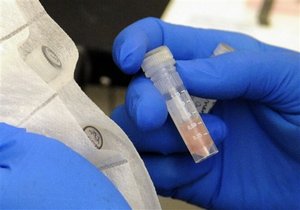
Laboratory technician Ruth Rutledge packages cerebrospinal fluid from three confirmed meningitis cases in Minnesota Oct. 9 to send to the Centers for Disease Control and Prevention in Atlanta for further testing.
Michigan Pain Specialists has reported that about 875 patients had received injections of the contaminated steroid for joint and back pain. Thursday, the facility said it had made contact with all of the patients who received epidural injections — as they are the most at risk for contracting meningitis.
Injections of the contaminated steroid to joints only put patients at risk for a fungal infection, health officials have stated.
Nationwide, about 14,000 people are at risk for infection from the contaminated steroids. Across 12 states, the number of confirmed cases of fungal meningitis was 185 as of Friday, including 14 deaths and one fungal joint infection.
Amy Biolchini covers Washtenaw County, health and environmental issues for AnnArbor.com. Reach her at (734) 623-2552, amybiolchini@annarbor.com or on Twitter.
Comments
JustFollowOrders
Mon, Oct 15, 2012 : 2:44 p.m.
Medical marijuana is great for back pain and is meningitis free. I understand and respect why sick people would use steroids and other pharmaceuticals to help with pain and suffering, but I don't understand why anyone would chose to use dangerous, lab made chemicals without having first tried natural medicines which mother nature provides to us. Either-- God put marijuana on Earth for us to use to heal ourselves-- OR the human body evolved over millions of years to receive palliative care from the cannabis plant. Any way you slice it, the human body is equipped to use marijuana. The human body was not designed to handle today's pharmaceuticals. Today, people with back pain are dying from meningitis contracted from tainted medicine. A few years ago, 55,000 Americans died from arthritis medicine. What's next? What will tomorrow's pharmaceuticals bring (aside from giant executive bonuses)?