

FDA cautions giving chicken jerky treats to dogs after illnesses mount
Lorrie Shaw | Contributor
The topic of food safety has gained more public awareness, as has the movement to know where and how the food we eat each day is grown, produced and manufactured.
Because of our changing relationship with the animals with whom we share our lives, a similar movement has taken shape: awareness about the quality of the pet food that we give to our pets.
Are you puzzled by all of the talk about tainted pet food and treats? It can be daunting, and you've every reason to be confused.
Since the extensive 2007 pet food recall, the topic of pet food safety has been on the lips of pet owners, bloggers and pet professionals. There is a lot of information out there, some correct, some not so on-the-money. Having the right information is vital when staying on top of recalls and the like.
Countless pet food recalls since 2007 — that include consumables for cats, dogs, small animals and large animals — have been established, either voluntarily by the manufacturers, pet food companies or, in some cases, the Food and Drug Administration.
It's important to remember that, typically, recalls — no matter who puts them into place — are in no way intended to demonize a company or send them into financial ruin. These recalls are designed to facilitate communication to correct potential problems in a system that typically works pretty well, considering the amount of pet food produced each year.
But, one specific type of pet consumable has been under fire over the past few months: chicken jerky treats from China.
They seem like a straightforward, simple and wholesome enough treat to offer your dog, right? But, the problem isn't the treats themselves — it's where they come from and what might be in them.
In November, 2011, the FDA issued a cautionary update with regard to increase in the number of complaints it received of dog illnesses associated with consumption of chicken jerky products imported from China.
The same thing happened in September of 2007 and December of the following year.
Last July, I reported that the Canadian Veterinary Medical Association alerted the American Medical Veterinary Association to an issue that had a familiar ring: chicken jerky treats manufactured in China were possibly associated with an illness affecting the kidneys of dogs in Canada.
The FDA has received a total of 537 reports of illnesses in canines, including 467 reports since it issued a renewed warning about chicken jerky treats from China in November of 2011. This includes a startling 184 cases submitted so far just this year.
In a website page updated two days ago, an FDA statement said that they continue to investigate the issue and its origin, adding that "some of the illnesses reported may be the result of causes other than eating chicken jerky."
You're probably wondering how pet owners and veterinarians are making the connection with a dog's illness and tainted chicken jerky from China. Symptoms and a close backtracking of what the pets had eaten are excellent clues. Fanconi-like symptoms are often seen. Click here to read more about Fanconi Syndrome.
The signs — which may occur within hours to days of feeding the products — that may be associated with chicken jerky products include:
- decreased appetite
- decreased activity
- vomiting or diarrhea (sometimes with blood)
- increased water consumption and/or increased urination
The FDA has been testing and investigating the safety of these imported pet treats, and here's what they indicate what they've been looking for:
Salmonella, metals, furans, pesticides, antibiotics, mycotoxins, rodenticides, nephrotoxins (such as aristolochic acid, maleic acid, paraquat, ethylene glycol, diethylene glycol, toxic hydrocarbons, melamine and related triazines) and were screened for other chemicals and poisonous compounds. DNA verification was conducted on these samples to confirm the presence of poultry in the treats. Samples have also been submitted for nutritional composition (which includes glycerol concentrations), vitamin D excess and enterotoxin analysis. Some samples from recent cases (2011-2012) have been submitted for multiple tests and we are awaiting results. More samples are in the process of being collected for testing.
Tamara Ward, FDA spokeswoman says that so far, FDA officials have found no evidence of harmful levels of melamine or other substances in the chicken jerky treats.
A source for the illnesses that continue to be reported has yet to be discovered.
With so many incidents of illness associated with a popular treat, one might think that simply removing the products or blocking the importation of these consumables would be a solution.
A simple fact remains: The current regulations that are in place don't allow for products to be blocked or removed based on complaints alone.
The FDA's hands are tied until a definitive cause is found.
To err on the side of caution, I have been urging my clients and the public-at-large the following, from the FDA website:
Currently, FDA continues to urge pet owners to use caution with regard to chicken jerky products.
As always, you can stay up-to-date on all pet-related consumable recalls here on the AnnArbor.com pets section. You can learn about how pet owners and veterinarians are a part of pet treat and food recalls by clicking here.
Lorrie Shaw leads the pets section for AnnArbor.com. Catch her daily dog walking and pet sitting adventures or email her directly and subscribe to AnnArbor.com's email newsletters.
Comments
LisaAuch
Wed, Apr 17, 2013 : 9:35 a.m.
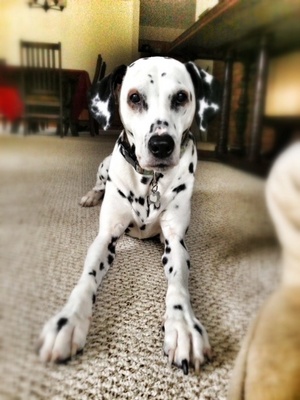
Hi lorrie, I see you are using my photo of my Dog Molly - I do not allow use of photos unless written permission is granted, and a if I do grant permission a link back tot my original article is needed http://www.squidoo.com/douge-de-bourdeaux I have the settings for non-commercial use (means you should not be making money from use of the images) If you are willing to put in a link to my http://www.squidoo.com/douge-de-bourdeaux page then you may use the photo, IF not I ask that you remove the image immediately. Many thanks for your understanding Lisa Auch
Lorrie Shaw
Wed, Mar 14, 2012 : 1:53 p.m.
Here is an update to this ongoing story: <a href="http://www.annarbor.com/pets/pets-dogs-treats-chicken-jerky-china-fda-waggin-train-milos-kitchen-canyon-creek/">http://www.annarbor.com/pets/pets-dogs-treats-chicken-jerky-china-fda-waggin-train-milos-kitchen-canyon-creek/</a>
RunsWithScissors
Mon, Mar 12, 2012 : 8:44 p.m.
Fowl play anyone? Sorry, couldn't resist. I have, on occasion, fed duck jerky treats to my dog. Do you know if the illnesses and warnings are limited to chicken only or both? Thanks again for the informative column. And a hearty "woof" from Fozzie Bear.
Lorrie Shaw
Mon, Mar 12, 2012 : 10:43 p.m.
RunsWithScissors: I've not seen anything that would indicate that duck jerky is an issue. (But, if history tells is anything, if it says 'made in China', err on the side of caution.) And a big, hearty "woof" to Fozzie! :)
jns131
Mon, Mar 12, 2012 : 3:25 p.m.
We get all of our treats from Petco or Pet Supply Plus. I make sure I am reading the labels and making sure they are not from China. If they are? I check the expiration date. I remember when this scare came out in dog food form. IAMS is sure to be getting a recall out again if this scare expands again. I always tell people to go to specialized pet places. Human stores cannot guarantee safe dog food handling. Glad to hear about this and I will be on the watch.
Woman in Ypsilanti
Mon, Mar 12, 2012 : 2:57 p.m.
Yikes! I give my dogs chicken jerky frequently. I guess I'll have to find a better treat. That tripom site is good. Thanks for posting that, Ken.
zeeba
Mon, Mar 12, 2012 : 2:41 p.m.
Where do the bulk dog treats at Meijer's come from? I've been giving them to my dog, who gets occasional runs and loss of appetite. There's no labeling on them, so it's not clear what they're made of or where they're from. Although the treats look like bacon or beef jerkey, you never know what kind of meat is actually in them.
jns131
Mon, Mar 12, 2012 : 3:27 p.m.
Get your treats from a reputable pet place. Meijer has the rawhides with chicken strips on them. They have been safe so far. But I found them at I think Pet Supply Plus. When in doubt? Toss them out.
Lorrie Shaw
Mon, Mar 12, 2012 : 2:46 p.m.
zeeba: You make an interesting point: bulk treats - where do they come from? In the case, I would definitely inquire as to who is making said consumables, where they originate from, etc. If a definitive answer can't be found, it might be good to err on the side of caution.
Kaly White
Mon, Mar 12, 2012 : 10:18 a.m.
Great article! There is a Facebook Group called "Animal Parents Against Pet Treats Made in China". Please join if your dog has been ill or died from the treats, or to know more and help spread the word. We are now up to 2,600 members.
Ken
Sun, Mar 11, 2012 : 6:40 p.m.
If you're looking for SAFE, REAL 'American Made' chicken jerky for dogs or cats, we started making our own Chicken Jerky for our 3 dogs after we ran across the FDA warning of 2008 about Chinese chicken treats making dogs sick or killing them. It turned into a cottage "Mom & Pop" business and we now sell our TriPom Chews online and in 20 stores in the New England area. Our products are the only homemade, handmade, 'Maine Made', 'American Made' Chicken Jerky produced from whole, restaurant-quality chicken breasts containing NO Additives and NO Preservatives. Our 3 Pomeranians (our babies!) taste test every batch for quality. When we're not making Jerky, we spend our time at events handing out fliers on the FDA warning about Chinese treats, speaking to anyone who will listen about the dangers, and advocating for a ban on all Chinese chicken treats. Please allow this comment as people are looking for a Safe American Chicken Jerky and don't know where to turn. As an example, here's a comment we received from June, "I have been feeding my pit bull, Ajax, Milo's Kitchen (it's in the garbage now). I ran across a blog about the dangers and was scared to death!! THAT is where I saw your product mentioned!! Just ordered a Combo pound! I cant wait to have "AJ" try it!! NO MORE CHINESE CHICKEN."